Debranch Works
What Is Pullulanase? Starch Debranching Enzyme Explained
Learn what pullulanase does, how it debranches starch, and where buyers use it in syrup, brewing, distilling, and starch-processing applications.
Request pricing Learn what pullulanase does, how it debranches starch, and where buyers use it in syrup, brewing, distilling, and starch-processing applications.
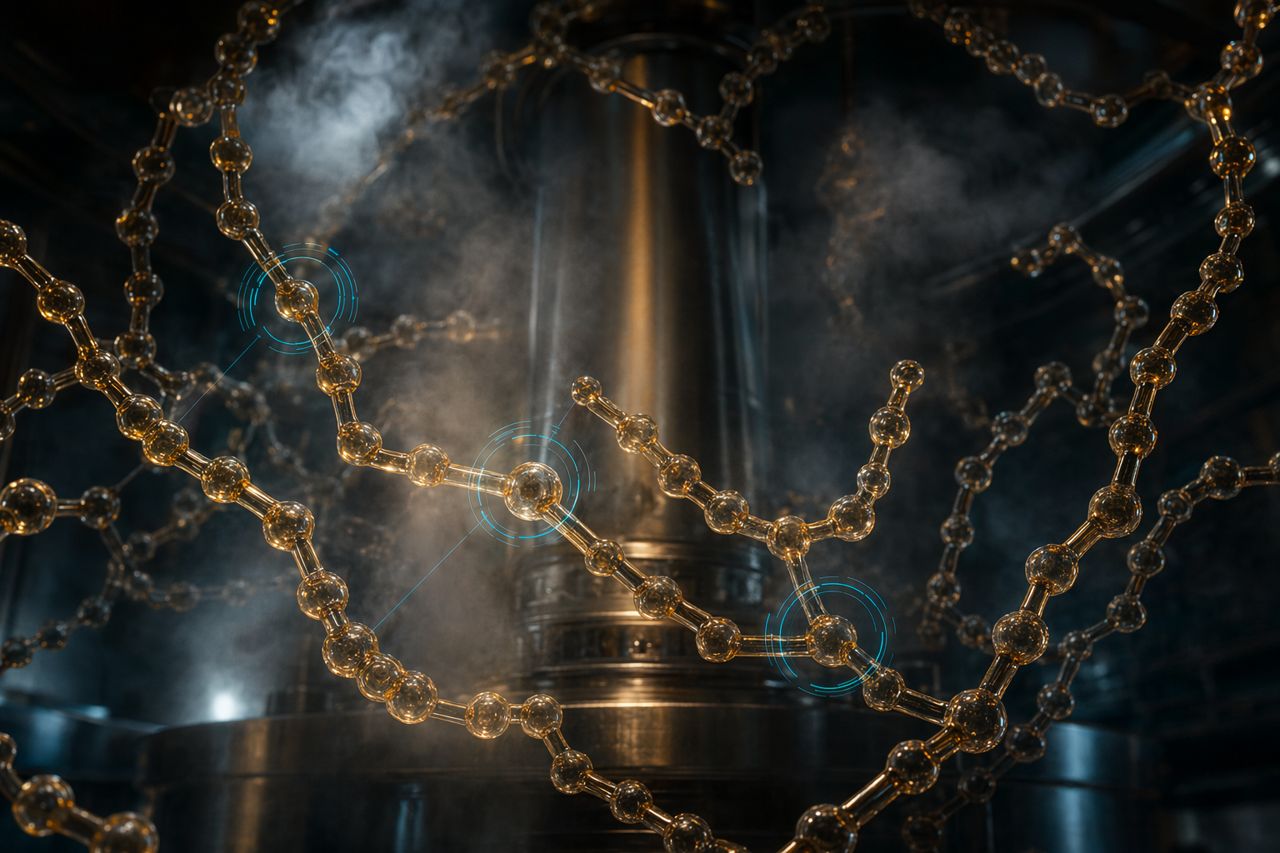
Request pricingPullulanase is a starch-debranching enzyme used to hydrolyze alpha-1,6 glucosidic linkages in branched carbohydrates such as pullulan, amylopectin, and limit dextrins. Its proper enzyme name is Pullulanase (Pullulan 6-alpha-glucanohydrolase).
In practical terms, pullulanase opens the branch points that standard liquefaction and saccharification enzymes can leave behind. By converting branched starch fragments into more accessible linear chains, it helps starch processors, brewers, distillers, and formulators drive more complete conversion and tighter carbohydrate profiles.
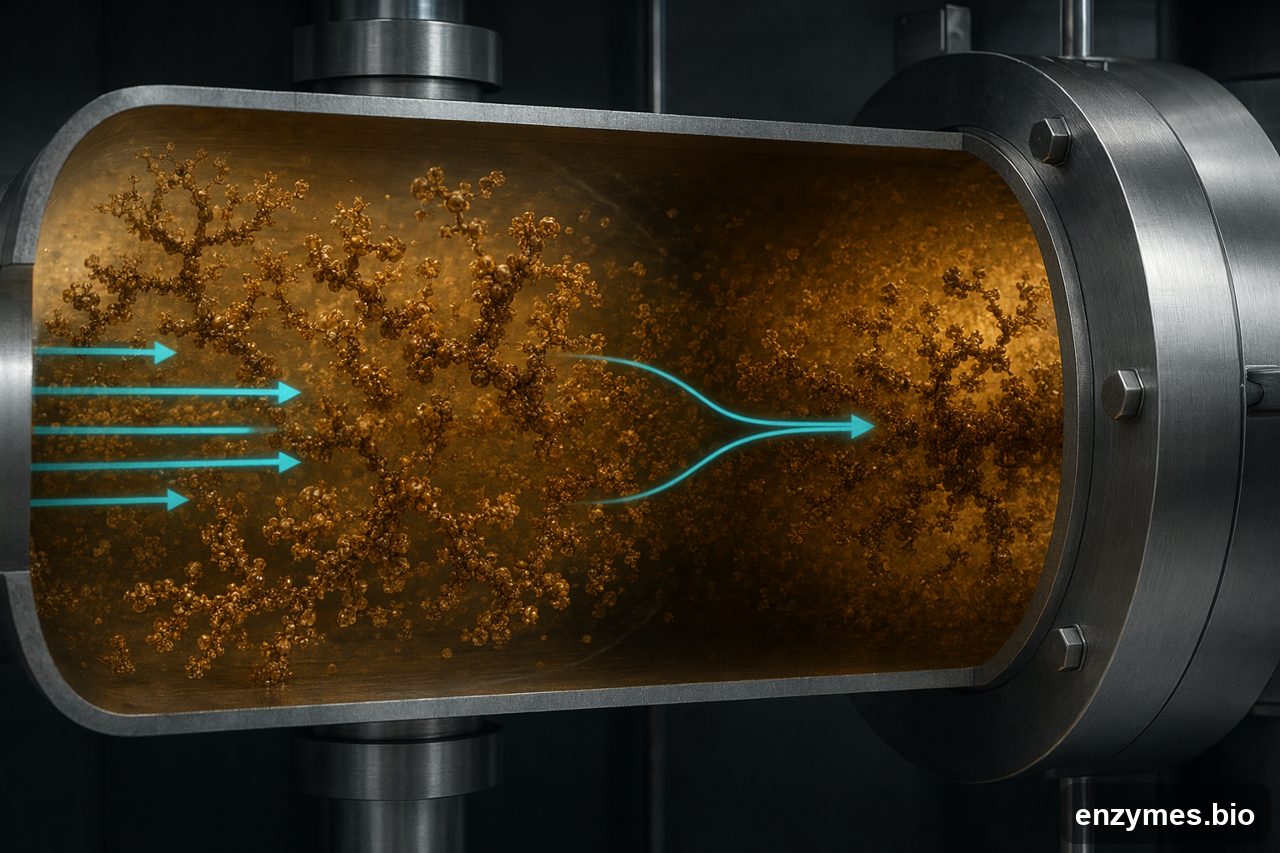
Starch contains two major structural fractions:
Many starch-conversion enzymes attack alpha-1,4 linkages efficiently, but branch points can slow conversion and leave residual dextrins. Pullulanase targets those branch points. Once the enzyme cuts alpha-1,6 linkages, other enzymes can continue processing the newly exposed chains.
This makes pullulanase especially useful when the goal is:
Pullulanase is not usually purchased as a general-purpose enzyme. It is selected because branch-point control affects yield, conversion time, downstream filtration, fermentation performance, or finished product specification.
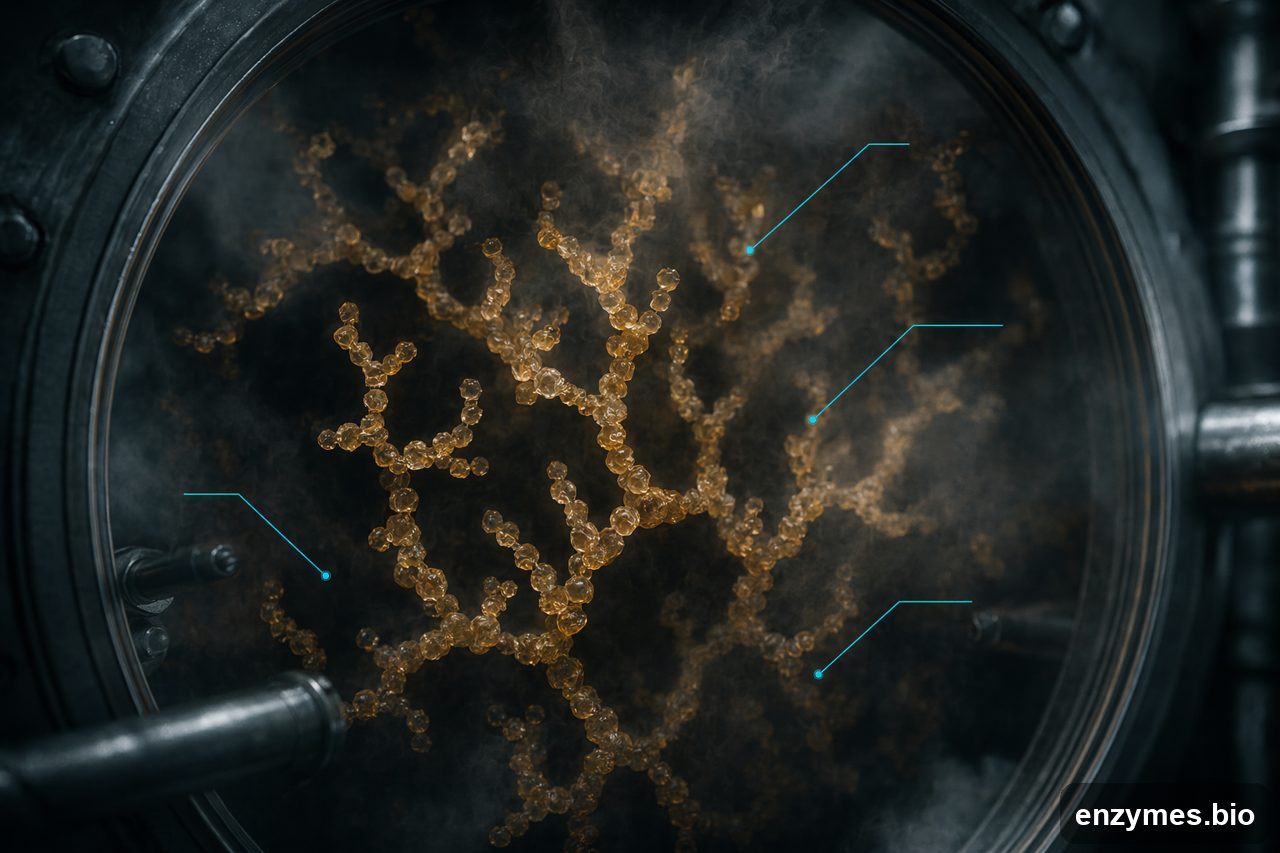
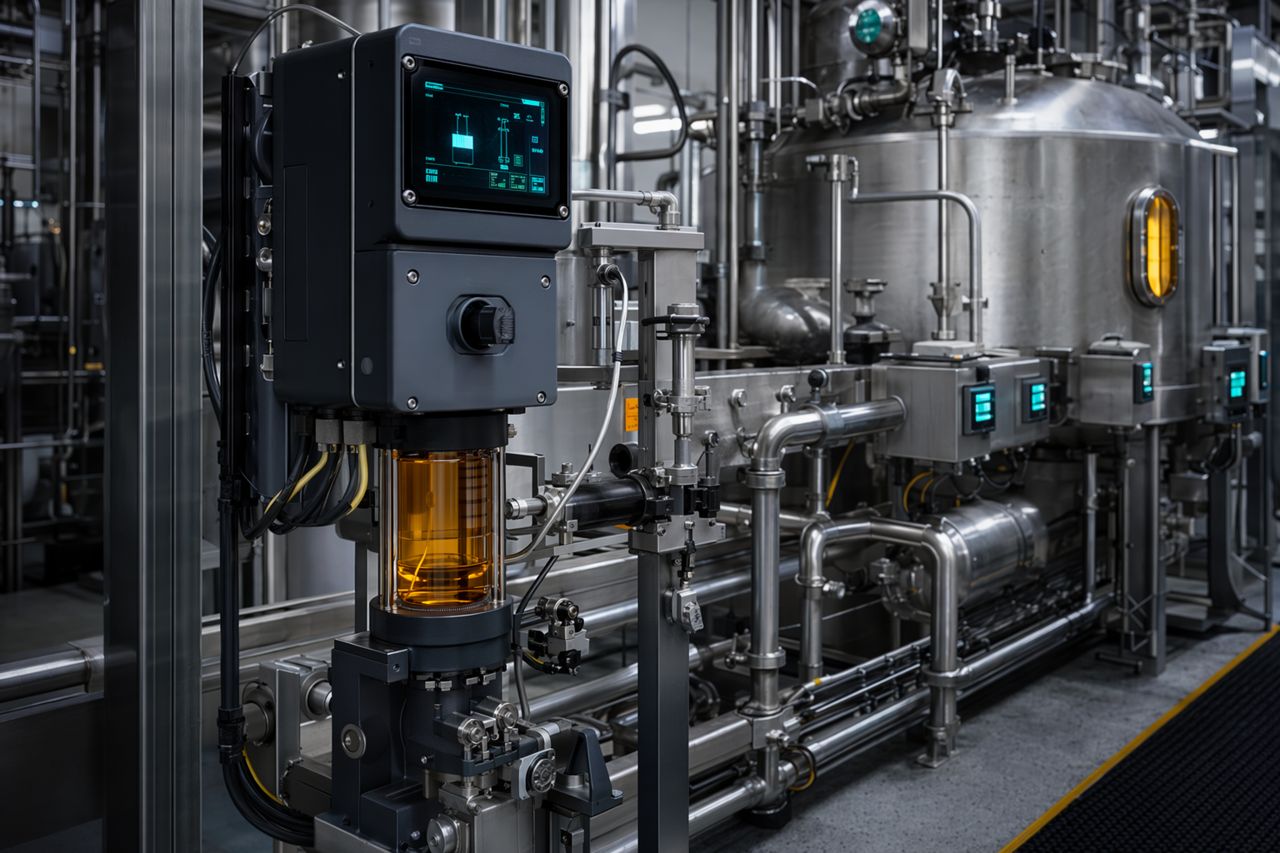
Pullulanase is used in starch hydrolysis processes where debranching supports the production of defined sugar profiles. It can help processors improve saccharification performance and reduce residual branched material in syrup streams.
Typical use cases include:
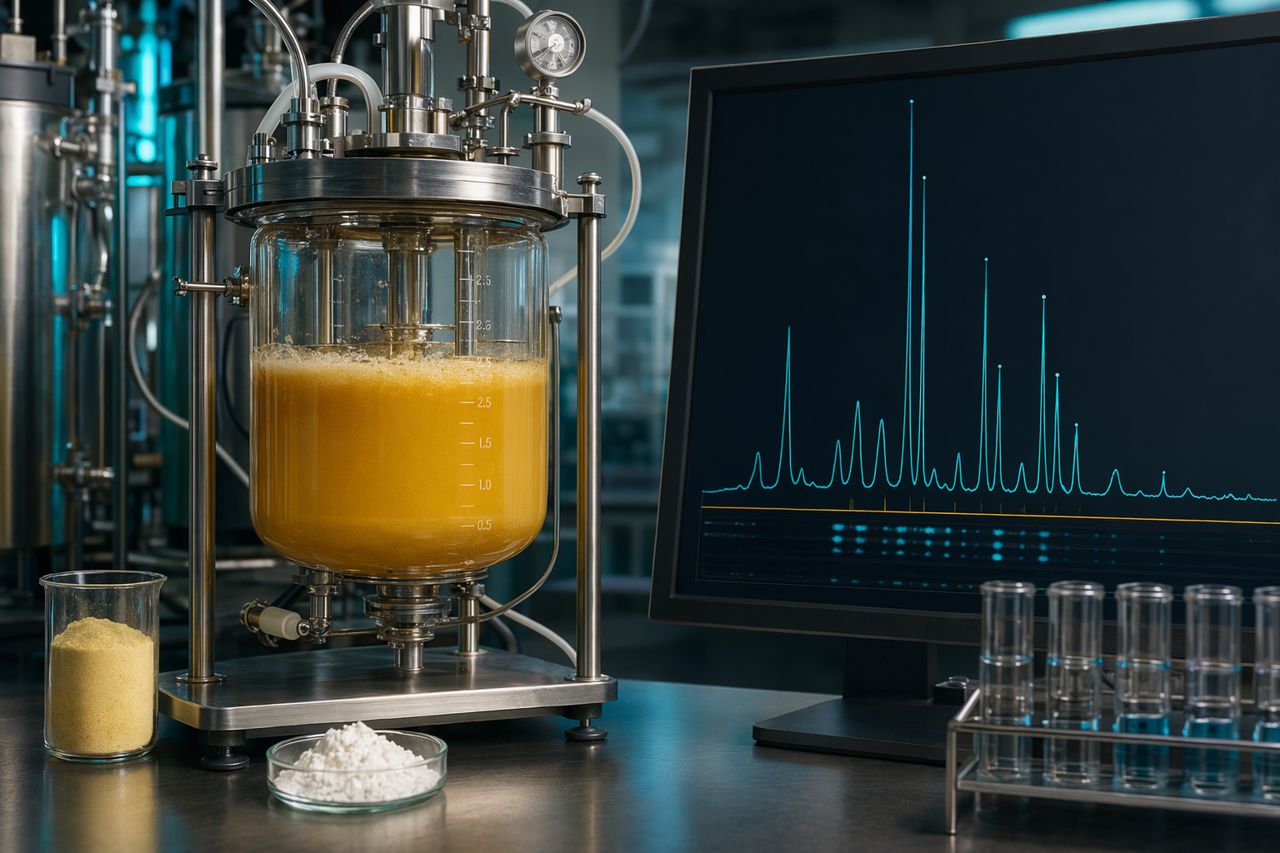
In brewing and adjunct processing, pullulanase can help increase fermentable sugar availability by reducing branched dextrins that yeast cannot readily consume. This is relevant when brewers need controlled attenuation, lower residual carbohydrate, or improved extract utilization from starch-rich inputs.
Distillers use pullulanase to improve fermentable sugar release from cereal starch. In combination with liquefaction and saccharification enzymes, it can support more complete conversion before fermentation and help reduce unfermented residuals.
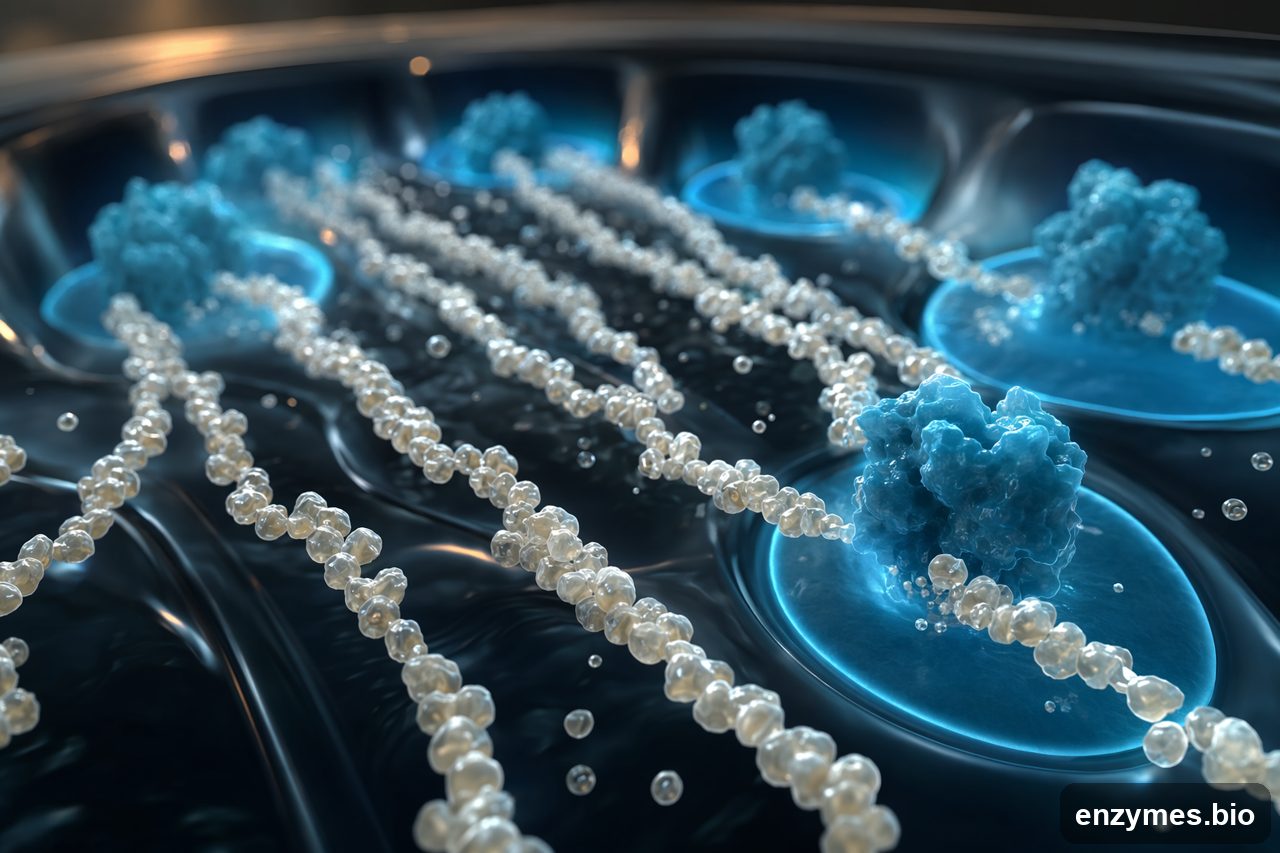
Formulators may use pullulanase when they need to modify starch-derived ingredients, tune viscosity, influence carbohydrate distribution, or support clean processing of starch-based systems.
Pullulanase is often part of an enzyme system rather than a standalone solution.
Common pairings include:
The value comes from sequence and compatibility. Pullulanase should be selected against the substrate, process temperature profile, pH window, residence time, and target sugar specification.
For procurement and technical teams, the right product is not only about enzyme identity. It is about fit to process.
Use this checklist when evaluating pullulanase supply:
A well-matched pullulanase should deliver reliable debranching without forcing unnecessary process changes. For industrial buyers, the target is a product that performs in the real operating window, integrates with existing enzyme systems, and supports repeatable conversion economics.
Strong supplier discussions should cover:
If you are evaluating pullulanase for syrup production, brewing, distilling, or starch-processing optimization, share your application details and target outcome. Debranch Works can help route the request for pricing, sample discussion, or technical review through this site’s own contact workflow.
Tell us your application and volume — we reply with pricing and lead time.