Type I vs Type II Pullulanase: Classification, Function, and Process Selection
A technical guide to Type I and Type II pullulanase, including substrate specificity, debranching behavior, process fit, and buying criteria for starch, brewing, distilling, and sweetener applications.
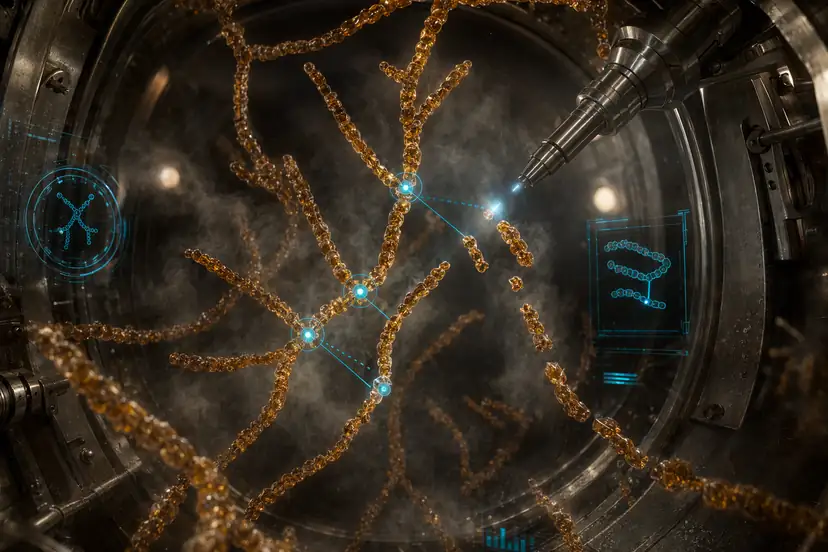
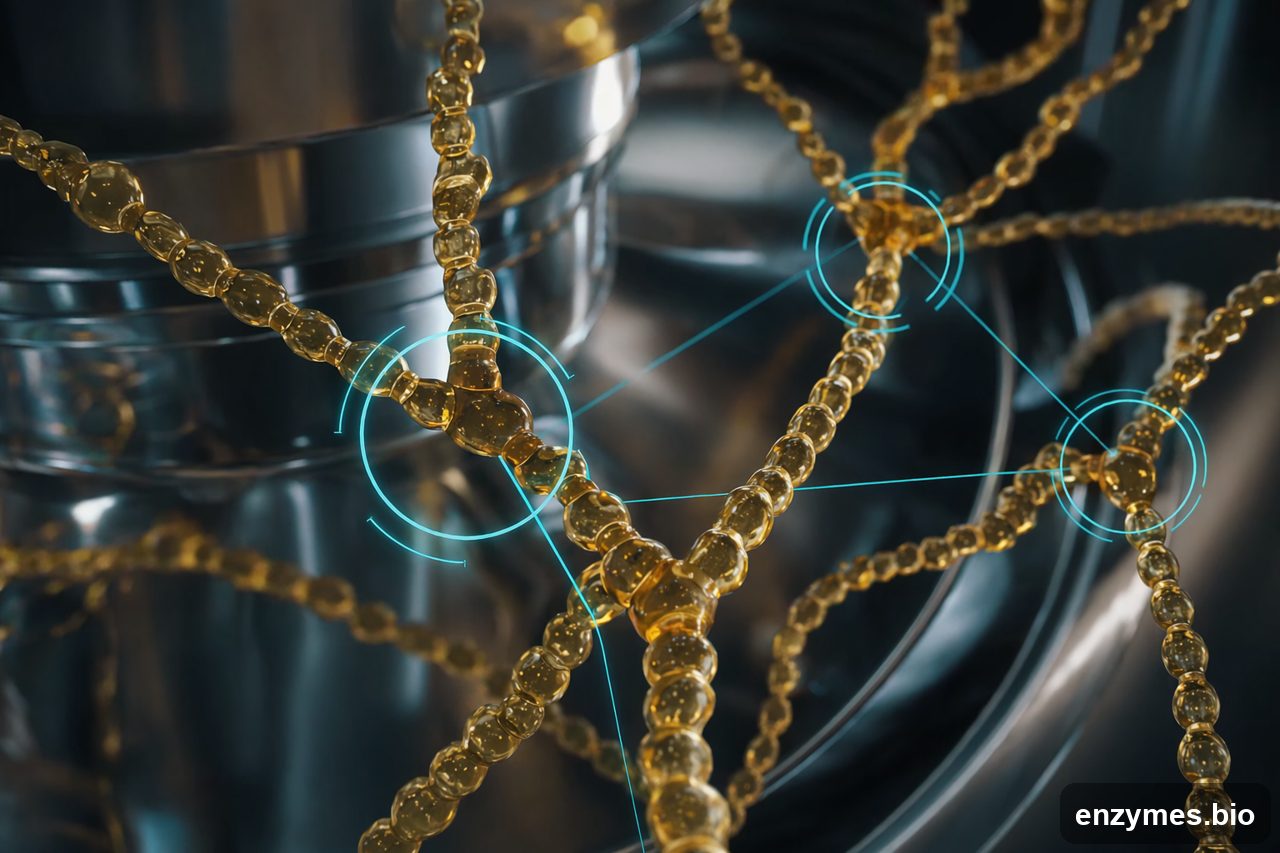
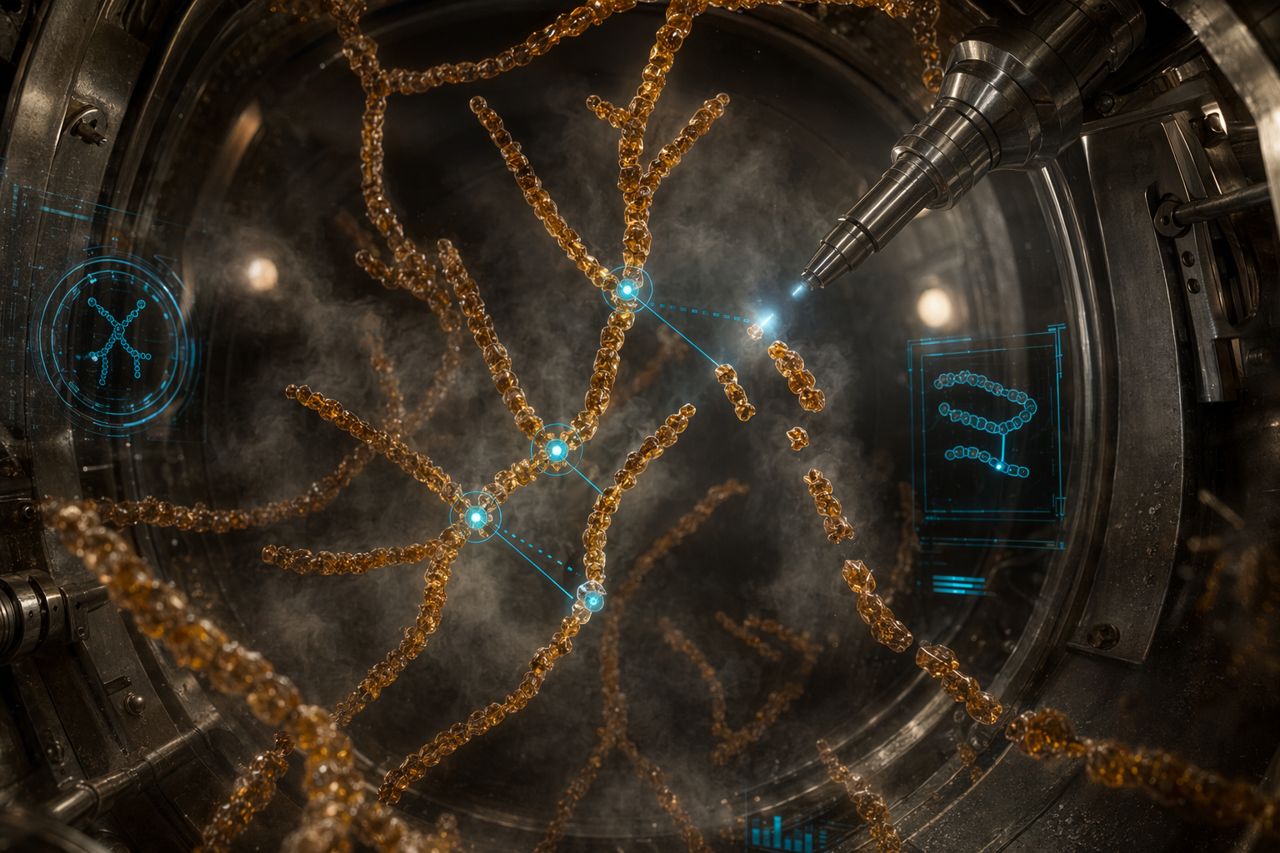
Pullulanase is a debranching enzyme used to hydrolyze α-1,6 glycosidic linkages in pullulan, amylopectin, glycogen-derived structures, and starch limit dextrins. In industrial starch conversion, brewing, distilling, and specialty carbohydrate production, that single function has a large commercial effect: branched chains become more accessible, starch is used more completely, saccharification becomes more predictable, and downstream filtration or fermentation can improve.
The two major classification terms—Type I pullulanase and Type II pullulanase—describe differences in catalytic behavior. The distinction matters when a buyer is selecting an enzyme for high-DE syrup production, glucose yield improvement, wort attenuation, grain mash conversion, or low-residual dextrin processing.
What Type I Pullulanase Means
Type I pullulanase is the classical debranching form. It primarily hydrolyzes α-1,6 branch points and does not materially hydrolyze linear α-1,4 glucosidic bonds.
That makes Type I pullulanase a precision tool. It opens branch points without aggressively cutting the linear backbone, allowing other enzymes—typically alpha-amylase, beta-amylase, glucoamylase, or maltogenic enzymes—to work more efficiently on the newly exposed chains.
Typical Type I behavior
Targets α-1,6 linkages in pullulan, amylopectin, and limit dextrins
Supports higher starch utilization by reducing branched residual dextrins
Works well as a partner enzyme in liquefaction, saccharification, brewing, and distilling programs
Helps improve fermentable sugar release when branch points limit access
Offers tighter control where backbone preservation or defined sugar profiles are important
Where Type I pullulanase is commonly selected
Type I pullulanase is often the preferred choice when the process already uses a defined amylase system and the main bottleneck is incomplete debranching. It is common in:
Glucose syrup and high-DE syrup production where residual branched dextrins reduce conversion efficiency
Brewing where improved attenuation is required without uncontrolled dextrin breakdown
Distilling and fuel alcohol mashes where more accessible starch can support improved fermentable yield
Specialty starch hydrolysis where predictable product profile matters
What Type II Pullulanase Means
Type II pullulanase is often referred to as amylopullulanase. It can hydrolyze both α-1,6 linkages and α-1,4 linkages, combining debranching activity with amylolytic activity in one enzyme system.
The commercial advantage is breadth. A Type II enzyme may contribute to both branch removal and backbone cleavage, depending on the organism source, formulation, process conditions, and substrate. This can simplify certain enzyme programs, but it can also change the final carbohydrate profile more aggressively than a Type I enzyme.
Typical Type II behavior
Hydrolyzes α-1,6 branch points and can also act on α-1,4 linkages
May reduce reliance on separate amylolytic enzymes in selected processes
Can produce broader dextrin and sugar profiles than Type I pullulanase
Requires closer evaluation where product composition, viscosity curve, or fermentability target is tightly specified
Can be useful when a single enzyme system must perform multiple starch-conversion functions
Type I vs Type II Pullulanase: Practical Comparison
Selection factor
Type I pullulanase
Type II pullulanase
Primary action
α-1,6 debranching
α-1,6 debranching plus α-1,4 hydrolysis
Process role
Precision debranching partner
Broader starch breakdown contributor
Control profile
Higher control over backbone preservation
More aggressive carbohydrate profile shift
Best fit
Defined multi-enzyme systems
Simplified or broad-conversion systems
Common concern
Match with partner enzymes and process pH/temperature
Avoid over-hydrolysis or undesired product distribution
Buying question
Does it debranch the limiting structures under my process conditions?
Does the combined activity improve yield without disrupting product targets?
Why the Classification Matters Commercially
For procurement teams, Type I vs Type II is not just a technical label. It influences enzyme cost-in-use, process simplification, product consistency, and downstream performance.
A Type I pullulanase can be ideal when the process already has a strong alpha-amylase or glucoamylase backbone and needs targeted debranching. The goal is usually higher conversion, lower residual dextrin, improved saccharification rate, or better fermentability without unnecessary side cleavage.
A Type II pullulanase may be attractive when broader hydrolysis is acceptable or desired. It can support process consolidation, but buyers should confirm that the additional α-1,4 activity aligns with viscosity control, sugar profile, filtration behavior, and final product specification.
Application Notes by Industry
Starch sweeteners
In glucose syrup and high-conversion starch hydrolysis, branch points in amylopectin-derived dextrins can slow or limit conversion. Type I pullulanase is commonly used to expose more non-reducing ends for glucoamylase, supporting higher conversion efficiency and lower branched residue. Type II may be considered where broader hydrolysis contributes positively to the target syrup profile.
Brewing
In brewing, pullulanase can help increase fermentable extract by debranching limit dextrins. Type I selection gives brewers more control when attenuation needs to rise without excessive breakdown of desired dextrin body. Type II requires careful matching to beer style, mash profile, and target residual carbohydrate structure.
Distilling and fuel alcohol
For grain and starch-based fermentation, debranching can improve starch accessibility and reduce fermentable loss locked in branched dextrins. Type I pullulanase often fits cleanly into saccharification programs. Type II can be useful in aggressive conversion strategies, provided the overall enzyme package remains balanced.
Specialty carbohydrates
Where maltose, glucose, resistant dextrin, or defined oligosaccharide profiles are important, classification matters. Type I pullulanase supports controlled debranching. Type II may alter the chain distribution more broadly and should be qualified against the finished specification.
How to Choose Between Type I and Type II Pullulanase
Use classification as a starting point, then evaluate the enzyme against the real process.
Key buying criteria:
Substrate — pullulan model systems do not always predict performance on industrial starch, malt, grain mash, or limit dextrin streams.
Process stage — liquefaction, saccharification, mash conversion, and post-treatment each impose different thermal and pH demands.
Partner enzymes — alpha-amylase, glucoamylase, beta-amylase, protease, cellulase, and hemicellulase can all influence outcome.
Target product profile — glucose yield, fermentability, maltose ratio, residual dextrin level, viscosity, and filtration behavior must be considered together.
Operational robustness — holding time, solids loading, shear, minerals, and process variability affect real plant performance.
Regulatory and supply requirements — food, brewing, distilling, or industrial use may require different documentation, traceability, and specification support.
Specification Questions to Ask a Supplier
Before approving a pullulanase for trial or purchase, ask for application-focused answers rather than generic classification claims.
Is the enzyme Type I pullulanase or Type II amylopullulanase?
Which substrates and industries is it formulated for?
What process temperature and pH ranges are recommended?
How does it perform with glucoamylase, alpha-amylase, or malt enzymes?
What product profile changes should be expected?
Is the formulation liquid or powder?
What documentation is available for food, feed, brewing, distilling, or industrial use?
What packaging, shelf-life, storage, and lead-time options are available?
Debranch Works View
For most controlled starch-conversion programs, Type I pullulanase is selected when the technical objective is precise α-1,6 debranching. Type II pullulanase is selected when the process can benefit from combined debranching and α-1,4 hydrolysis.
The correct choice depends less on the label and more on the conversion target: higher glucose yield, cleaner attenuation, improved fermentability, reduced residual dextrin, or a specific carbohydrate distribution.
Request Pullulanase Pricing or Technical Fit Review
If you are comparing Type I and Type II pullulanase for a production process, send your substrate, process stage, operating range, target product profile, and preferred format. Debranch Works can help match the enzyme type to the commercial outcome.