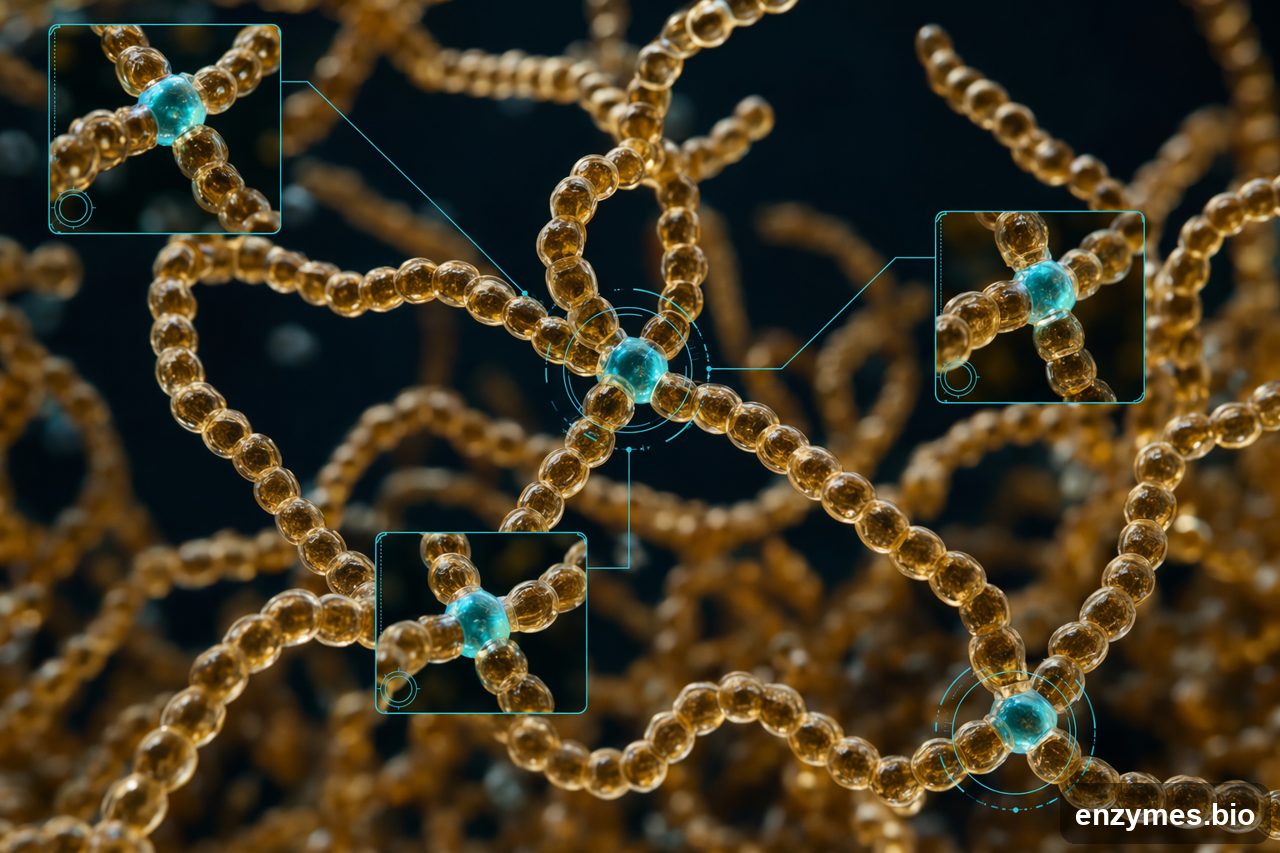
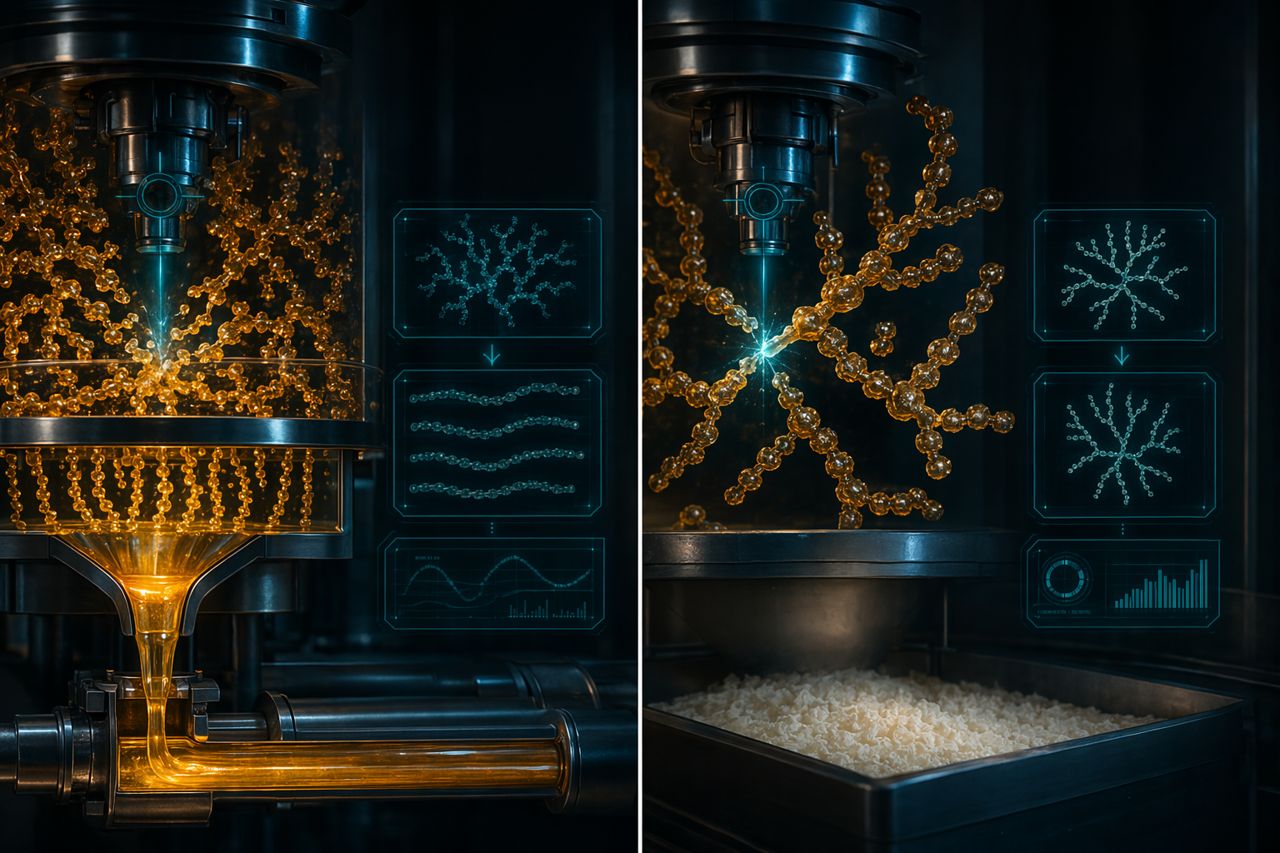
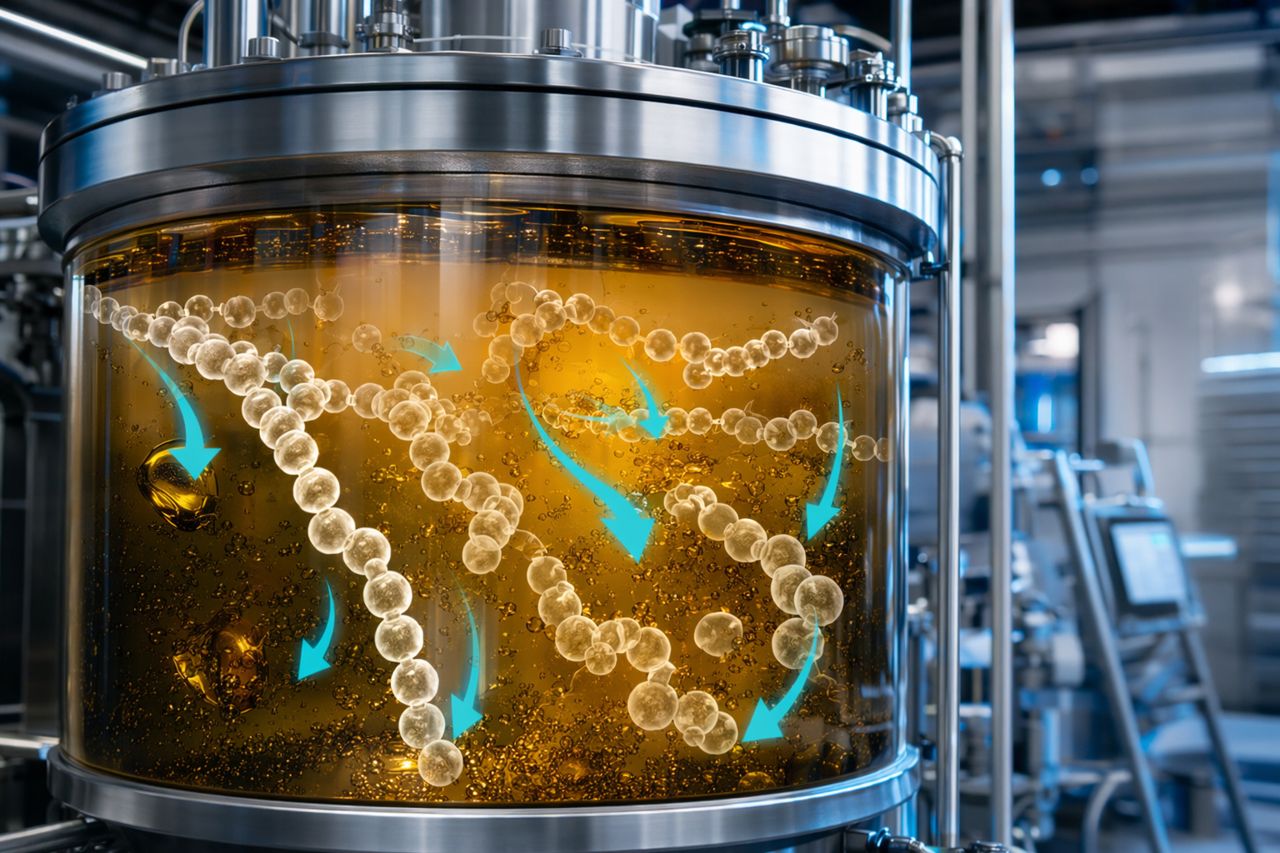
Pullulanase and isoamylase are both debranching enzymes. They target alpha-1,6 branch linkages in starch-derived substrates, reducing highly branched molecules into more linear chains that downstream enzymes can process more efficiently.
For industrial buyers, the important difference is not the textbook reaction. It is fit: substrate profile, process compatibility, yield impact, supply format, and total cost in the line.
Pullulanase is the more common commercial choice for starch saccharification, brewing, distilling, and high-conversion syrup systems. Isoamylase is more specialized, often selected where very specific amylopectin debranching or specialty starch structure is the priority.
Executive summary
Choose pullulanase when you need:
Higher starch utilization in saccharification
Better conversion of limit dextrins
Support for glucose, maltose, and fermentable sugar profiles
Compatibility with glucoamylase, beta-amylase, and other starch-processing enzymes
A procurement-ready debranching enzyme for industrial production
Consider isoamylase when you need:
Selective debranching of amylopectin or glycogen-like substrates
Specialty starch modification rather than bulk saccharification
Research, analytical, or narrow formulation work where substrate specificity outweighs process economics
In most commodity and performance-driven starch processes, pullulanase is evaluated first.
What pullulanase does
Pullulanase (Pullulan 6-alpha-glucanohydrolase) hydrolyzes alpha-1,6 branch points in pullulan and branched starch dextrins, including amylopectin-derived limit dextrins.
In practical terms, pullulanase opens the branch structure that can block complete conversion. Once branches are removed, glucoamylase, beta-amylase, fungal alpha-amylase, or maltogenic systems can access more linear chain ends.
Industrial value of pullulanase
Pullulanase is used to improve:
Saccharification yield by reducing residual branched dextrins
Fermentation efficiency by increasing accessible fermentable carbohydrates
Syrup profile control for glucose, maltose, and high-conversion systems
Process consistency where starch feedstock variability affects conversion
Downstream clarity and filtration behavior by reducing stubborn dextrin fractions
Pullulanase is not simply an enzyme addition. It is a yield-control tool in starch conversion.
What isoamylase does
Isoamylase also hydrolyzes alpha-1,6 branch linkages, but its practical substrate preference is different. It is strongly associated with debranching amylopectin and related branched glucans, while it is not typically the first-choice enzyme for pullulan-containing or broad industrial saccharification systems.
Industrial value of isoamylase
Isoamylase may be relevant for:
Specialty starch modification
Controlled production of linear amylopectin-derived chains
Formulation work where chain-length distribution is the main target
Analytical or development settings that require specific debranching behavior
Isoamylase can be useful, but it is usually a precision tool rather than a high-throughput conversion workhorse.
Side-by-side comparison
Factor
Pullulanase
Isoamylase
Primary action
Cleaves alpha-1,6 branch linkages in pullulan and starch-derived branched dextrins
Cleaves alpha-1,6 branch linkages, especially in amylopectin-type substrates
Controlled chain release and structural starch modification
Typical procurement profile
Broad industrial availability in liquid and dry formats depending on grade
More specialized availability and narrower use cases
Best first evaluation for starch processors
Yes
Usually only if pullulanase does not match the target substrate or product structure
Application fit by industry
Starch sweeteners and glucose syrup
Pullulanase is widely used to improve conversion of liquefied starch into fermentable or sweetener-relevant sugars. By removing branch points, it helps reduce residual branched dextrins and supports higher conversion when paired with saccharifying enzymes.
For processors targeting glucose-rich syrups, pullulanase can improve the effectiveness of glucoamylase by exposing additional chain ends. For maltose-oriented systems, it can support cleaner debranching and more controlled sugar distribution when used with the right beta-amylase or maltogenic strategy.
Isoamylase is less commonly selected for standard syrup conversion unless the target is a specific chain structure rather than broad conversion efficiency.
Brewing
In brewing, branched dextrins can limit fermentability and influence attenuation. Pullulanase can help convert otherwise resistant dextrin structures into fermentable or more manageable carbohydrates, depending on the mash and enzyme program.
Typical objectives include:
Improving attenuation control
Supporting low-carbohydrate or high-fermentability beer designs
Reducing residual dextrin load
Improving extract utilization from adjunct-heavy grists
Isoamylase may be evaluated for specialty carbohydrate profile work, but pullulanase is usually the more practical processing candidate.
Distilling and fuel ethanol
For distillers, unconverted dextrins represent lost yield. Pullulanase can support more complete starch conversion before fermentation, especially when feedstock variability or high solids processing makes accessibility a constraint.
Commercial evaluation usually focuses on:
Fermentable sugar release
Residual dextrin reduction
Alcohol yield contribution
Compatibility with the existing liquefaction and saccharification package
No negative impact on fermentation behavior
Isoamylase is rarely the default selection for high-throughput distilling because the economic driver is usually conversion efficiency, not specialty starch architecture.
Specialty starch and ingredient modification
Isoamylase becomes more relevant where the desired output is not maximum sugar conversion but a controlled starch structure. This can include specialty starch ingredients, chain-length distribution work, or development programs where amylopectin debranching behavior is the key specification.
Pullulanase may still be relevant in these projects, particularly if the substrate includes pullulan-like structures or if process economics favor a broader industrial enzyme.
How to choose between pullulanase and isoamylase
Use the substrate and output target to make the first cut.
Choose pullulanase if your main target is conversion
Pullulanase is typically the stronger candidate when the goal is to increase starch utilization, reduce limit dextrins, or improve fermentable sugar generation.
It is especially suitable when the process already uses:
Glucoamylase
Beta-amylase
Alpha-amylase
Maltogenic amylase systems
High-solids saccharification
Brewing or distilling adjunct programs
Choose isoamylase if your main target is structure
Isoamylase may be more relevant when the goal is to create or study a specific amylopectin-derived chain profile, rather than drive bulk conversion.
It is more likely to be considered when:
The product specification depends on chain-length distribution
Specialty starch functionality matters more than sugar yield
The substrate is primarily amylopectin-focused
The project is in formulation development or technical validation
Procurement factors buyers should compare
Before selecting either enzyme, align commercial and technical requirements.
1. Substrate scope
Confirm whether your substrate is liquefied starch, pullulan-containing material, amylopectin-rich starch, adjunct mash, grain-based slurry, or a defined specialty starch. Pullulanase generally provides broader practical utility across industrial starch conversion.
2. Process conditions
Match the enzyme grade to actual process pH, temperature, residence time, solids level, and compatibility with other enzymes. Do not select on enzyme class alone.
3. Product target
A glucose syrup plant, a maltose syrup line, a brewery, and a specialty starch facility may all use debranching chemistry, but they are optimizing different outcomes.
4. Enzyme format
Liquid formats are often preferred for automated dosing and large process lines. Powder formats may be useful where storage, shipping, or dry blending requirements dominate.
5. Cost per outcome
Compare enzymes by cost per production result, not price per kilogram. The correct benchmark is the effect on conversion, filtration, fermentation, yield, and batch consistency.
Common mistakes in evaluation
Treating debranching enzymes as interchangeable
Both enzymes act on alpha-1,6 linkages, but that does not make them operational substitutes. Substrate preference, compatibility, and commercial use case can differ significantly.
Evaluating without the partner enzyme system
Pullulanase often creates value by improving access for other enzymes. Test it inside the actual enzyme program, not as an isolated additive.
Ignoring feedstock variability
Corn, wheat, tapioca, potato, rice, and mixed grain substrates can behave differently. The right enzyme decision should account for starch source and process variability.
Buying only on lowest unit price
A cheaper debranching enzyme is not cheaper if it leaves more residual dextrins, slows fermentation, or creates rework downstream.
Practical recommendation
For most processors comparing pullulanase vs isoamylase, start with pullulanase if your production goal is higher starch conversion, better fermentability, or improved syrup yield. Move to isoamylase evaluation when the project requires specific amylopectin debranching or specialty starch architecture.
The right answer is process-specific, but the decision path is clear:
Define the substrate.
Define the commercial output.
Identify the partner enzyme system.
Test debranching performance in the real process window.
Compare cost per finished-product outcome.
Request pricing or technical fit guidance
Tell us your substrate, process target, and preferred supply format. Debranch Works will route the request to the appropriate technical-commercial contact and respond with pricing or next-step evaluation guidance.
FAQ
Is pullulanase the same as isoamylase?
No. Both are debranching enzymes, but they are not operationally identical. Pullulanase is broadly used in industrial starch conversion, while isoamylase is more commonly associated with selective amylopectin debranching and specialty applications.
Which enzyme is better for glucose syrup?
Pullulanase is usually the better starting point because it helps saccharifying enzymes access branched dextrins and supports higher conversion.
Which enzyme is better for brewing?
Pullulanase is generally more practical for brewing applications where the objective is improved fermentability, attenuation control, or adjunct starch utilization.
Is isoamylase useful in industrial production?
Yes, but usually in narrower cases. It can be valuable where the desired result is controlled starch structure rather than maximum fermentable sugar release.
Can pullulanase replace glucoamylase?
No. Pullulanase debranches. Glucoamylase releases glucose from chain ends. In many starch conversion systems, pullulanase improves the performance of glucoamylase rather than replacing it.