Practical guidance for improving pullulanase performance in starch processing, brewing, distilling, and syrup production by controlling substrate access, pH, temperature, timing, and compatibility.
Pullulanase is selected for one job: controlled debranching of alpha-1,6 linkages in starch-derived carbohydrates. When it performs well, downstream saccharification becomes cleaner, fermentable extract improves, glucose yield can increase, and residual dextrin behavior becomes easier to control.
When performance is inconsistent, the cause is rarely the enzyme alone. Pullulanase responds to the full process environment: substrate structure, upstream liquefaction, pH, temperature, solids, residence time, enzyme compatibility, and the target specification for the finished syrup, wort, mash, or hydrolysate.
This guide is written for process, formulation, and procurement teams evaluating Pullulanase (Pullulan 6-alpha-glucanohydrolase) in industrial starch systems.
What pullulanase needs to work efficiently
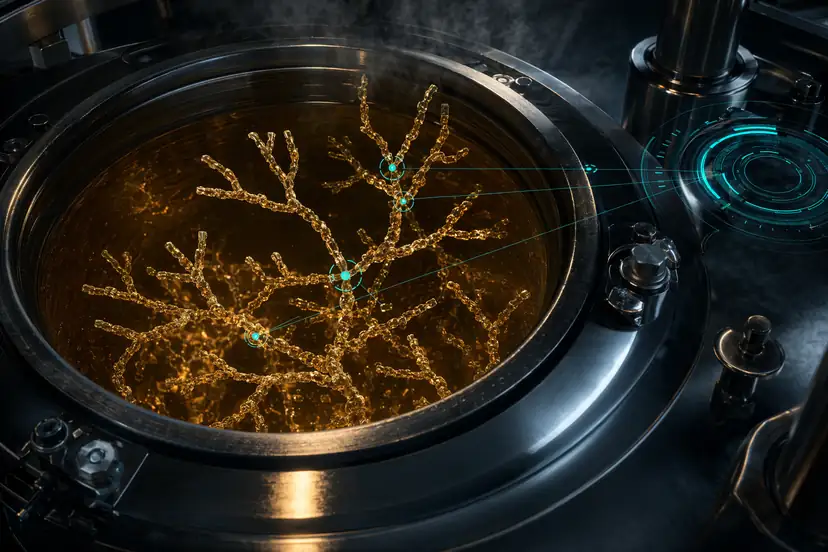
Pullulanase acts on branch points. In starch conversion, those branch points are located within amylopectin-derived dextrins and related branched carbohydrates. The enzyme performs best when those structures are accessible, hydrated, and already opened by an effective upstream process.
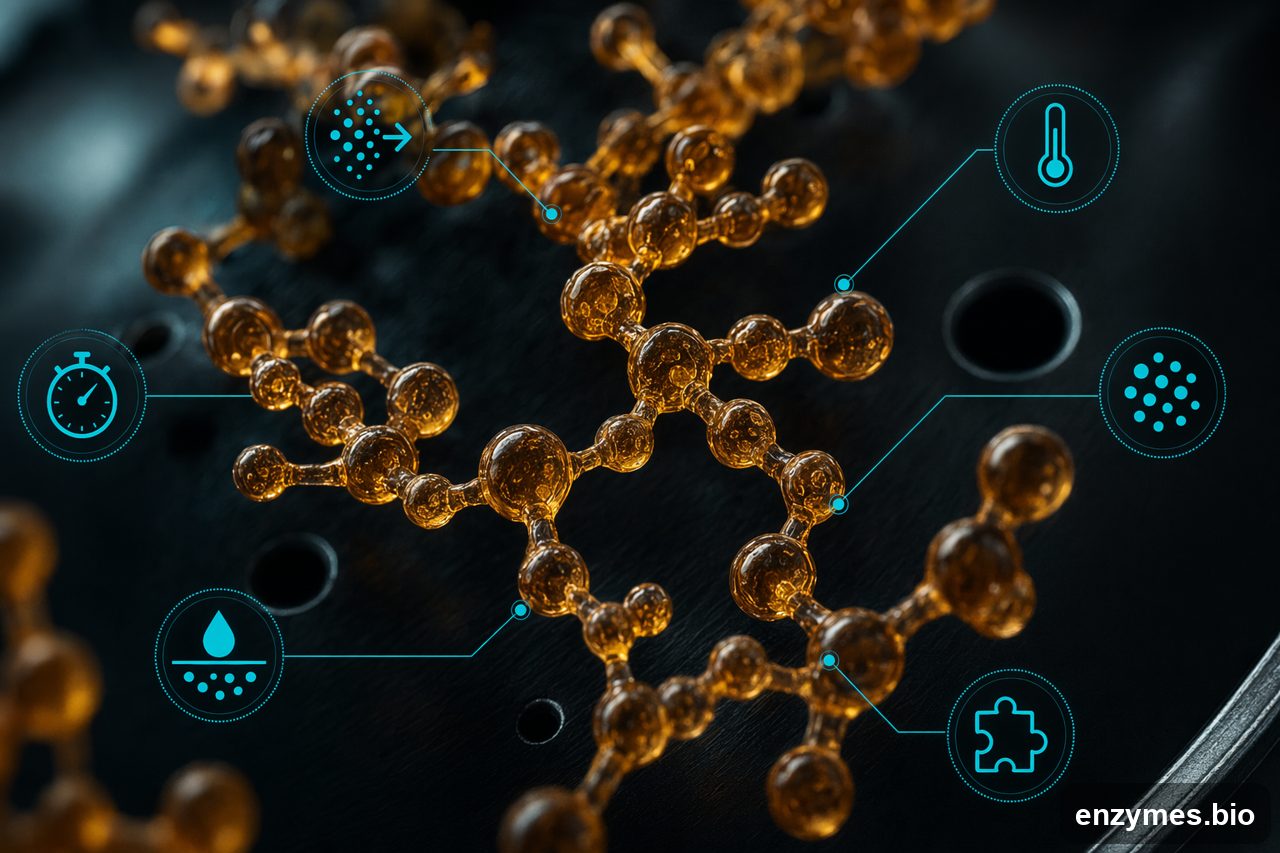
In practical terms, strong pullulanase performance depends on five conditions:
Accessible substrate: gelatinized and liquefied starch exposes more branch points.
Correct addition point: pullulanase must be added where the branch structure is available and where the process conditions are compatible.
Stable pH and temperature: avoid operating outside the recommended band for the selected grade.
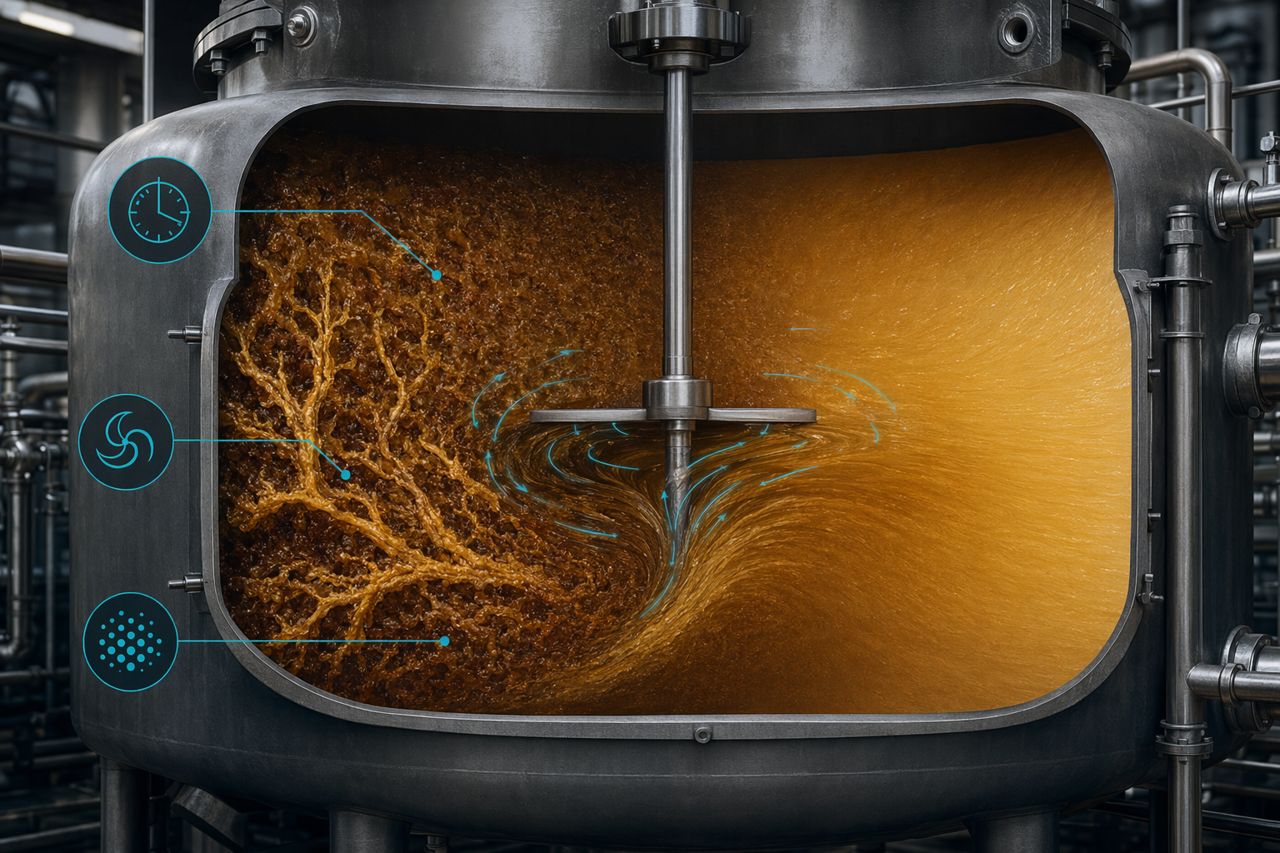
Enough residence time and mixing: debranching is not only a chemistry question; contact and flow pattern matter.
Compatible enzyme system: alpha-amylase, glucoamylase, maltogenic amylase, beta-amylase, and protease interactions should support the process goal rather than compete with it.
1. Substrate preparation: the first performance lever
Poor gelatinization or incomplete liquefaction can limit pullulanase before it has a chance to perform. If starch granules remain intact, if viscosity stays high, or if liquefaction produces an uneven dextrin profile, pullulanase may encounter fewer accessible branch points.
What to check
Is the starch fully cooked or gelatinized for the raw material being processed?
Is liquefaction producing a pumpable, consistent substrate?
Are there visible viscosity swings between batches?
Has the starch source changed, even if the purchasing specification looks similar?
Are fine particles, fiber, protein, or lipids affecting enzyme access?
Commercial impact
Better substrate preparation often improves the value of the same pullulanase dose. In syrup and sweetener production, this can support higher dextrose formation and cleaner saccharification. In distilling, it can improve fermentable extract and reduce residual carbohydrate left after fermentation. In brewing, it can help make attenuation more controllable.
2. pH control: small drift, large effect
Pullulanase performance is pH-sensitive. The correct operating band depends on the enzyme grade and the application, but the principle is consistent: pH drift reduces predictability.
Common causes of pH-related underperformance
Raw material buffering changes from batch to batch.
Acid or caustic dosing is not fully mixed before enzyme addition.
pH is checked at the tank but not at the point of enzyme contact.
Carryover from cleaning chemicals shifts the local environment.
Co-enzymes operate best at a different pH than pullulanase.
Process guidance
Do not treat pH as a paperwork value. Confirm the actual process pH where pullulanase is dosed and where it spends most of its residence time. If the process includes staged enzyme additions, define the pH target for each stage rather than relying on a single batch number.
3. Temperature: performance window versus survival window
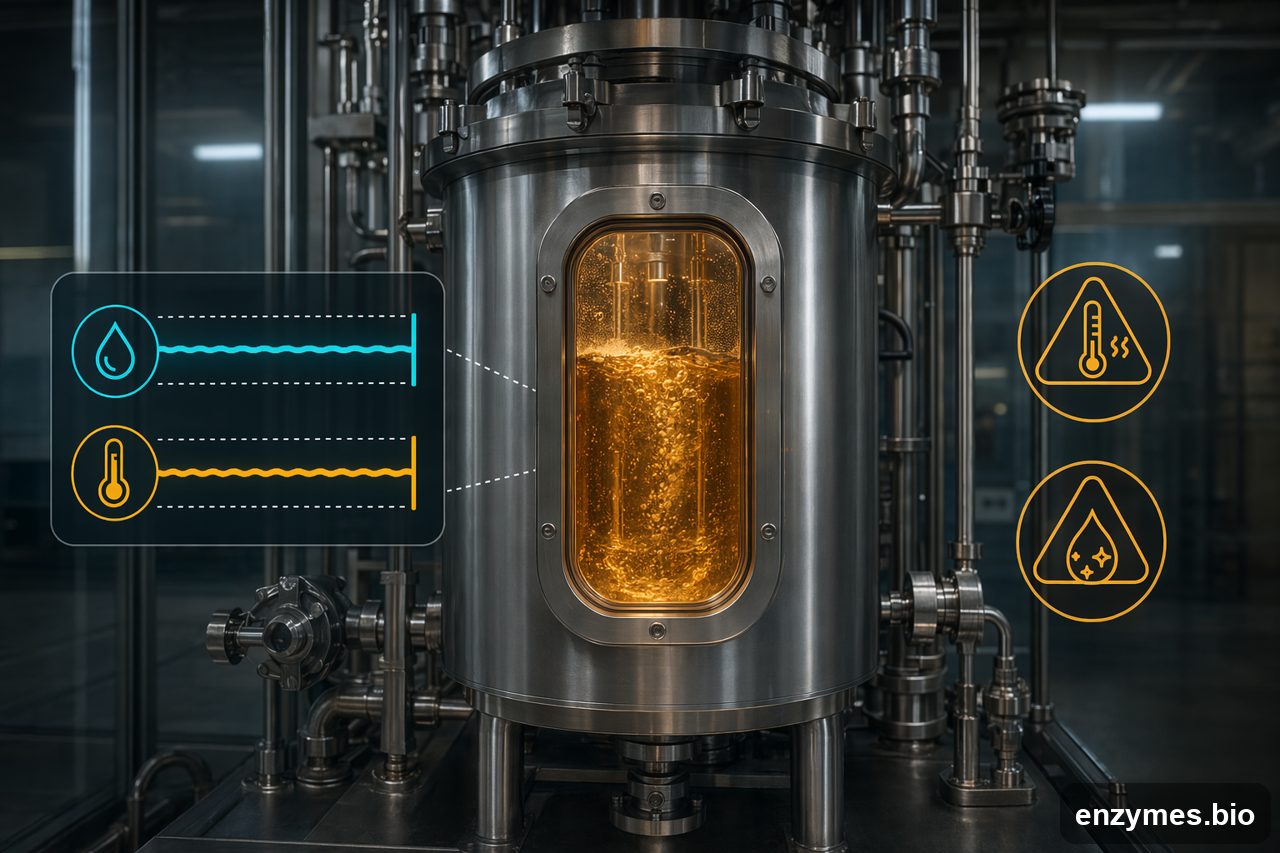
Temperature affects reaction speed and enzyme stability. A higher process temperature may accelerate debranching inside the correct range, but excessive heat exposure can reduce usable enzyme over time. This matters especially in continuous systems, high-solids mash, and processes with long holding periods.
What to review
Temperature at the injection point, not only the tank average.
Hot spots near steam injection or heat exchangers.
Hold time at elevated temperature before and after enzyme addition.
Cooling profile between liquefaction and saccharification.
Whether pullulanase is exposed to a temperature selected for another enzyme.
Practical rule
Select the addition point where pullulanase sees both the right substrate and a stable temperature. If those two requirements conflict, the best answer may be a staged process change rather than simply increasing dose.
4. Solids level, viscosity, and mass transfer
High-solids processing can improve plant economics, but it also makes enzyme contact more demanding. Pullulanase cannot debranch what it cannot reach. As dry substance rises, mixing quality, viscosity management, and residence time become more important.
Warning signs
Same pullulanase dose performs differently at higher solids.
Saccharification endpoint is slower than expected.
Fermentation leaves more residual dextrin than usual.
Tank sampling gives different results depending on location.
Process viscosity limits circulation or heat transfer.
What helps
More uniform liquefaction before debranching.
Reliable agitation or recirculation.
Avoiding localized enzyme overdosing at the feed point.
Matching residence time to the actual flow pattern.
Reviewing whether solids targets are pushing beyond the current mixing system.
5. Addition point and process timing
Pullulanase is often used alongside other amylolytic enzymes. The right addition point depends on the desired carbohydrate profile.
Typical decision logic
For glucose and high-dextrose syrup systems: pullulanase is commonly positioned to support glucoamylase by opening branches that would otherwise slow saccharification.
For distilling: addition is usually evaluated against fermentable extract, residual dextrin, mash viscosity, and fermentation completion.
For brewing: use is tuned more carefully because debranching can increase fermentability and change body, mouthfeel, and attenuation.
For specialty carbohydrate production: timing is selected around the desired distribution of linear and branched fragments.
The best timing is not necessarily the earliest timing. It is the point where enough branch structure is exposed, the enzyme remains stable, and downstream conversion can use the debranched substrate.
6. Compatibility with other enzymes and process chemistry
Pullulanase rarely works alone. Its value is usually realized as part of a conversion system. That system can include liquefying amylases, saccharifying enzymes, proteases, filtration aids, nutrients, preservatives, antifoams, and process chemicals.
Compatibility questions to ask
Does the companion enzyme require a different pH or temperature profile?
Is the alpha-amylase leaving a dextrin structure that pullulanase can effectively debranch?
Is glucoamylase added at a point where it can convert newly exposed linear chains?
Are salts, solvents, preservatives, or cleaning residues present at inhibitory levels?
Is the formulation liquid, granular, or immobilized, and does that change handling or dispersion?
Procurement note
When comparing pullulanase grades, do not evaluate only price per container. Compare process fit, stability, handling format, storage expectations, supply continuity, documentation, and the cost of underperformance. The lower-cost choice is not always the lower-cost conversion.
7. Raw material variability
Pullulanase performance can shift when the starch source changes. Corn, cassava, wheat, potato, rice, and mixed starch streams differ in amylopectin structure, protein content, lipid interaction, mineral profile, and processing behavior.
Even within one raw material category, crop season, supplier, storage, and milling conditions can change the conversion profile.
Control points
Track starch source and lot identity against conversion outcomes.
Watch for changes in liquefaction viscosity.
Monitor saccharification or fermentation endpoints, not just enzyme addition records.
Reconfirm process settings when switching starch source or supplier.
8. Water quality and carryover chemistry
Water chemistry can influence enzyme performance and process consistency. Mineral load, disinfectant residues, pH buffering, and cleaning carryover may all affect conversion.
Investigate when performance drops suddenly
Was the water source changed?
Was a cleaning cycle modified?
Is there sanitizer or caustic carryover?
Did antifoam, preservative, or nutrient addition change?
Are metal ions or salts accumulating in recycle streams?
Sudden underperformance is often a plant-change problem. Before assuming the pullulanase grade changed, review the last process adjustment, sanitation event, raw material switch, or utility change.
9. Storage, handling, and dosing discipline
Industrial enzymes are process materials, not commodity powders or liquids. Pullulanase should be stored and handled according to the supplied technical documentation. Poor handling can create avoidable performance loss.
Good practice
Store within the recommended conditions for the selected grade.
Avoid repeated temperature cycling where possible.
Keep containers sealed when not in use.
Prevent cross-contamination with incompatible chemicals.
Use calibrated dosing equipment and verify feed continuity.
Mix enough to disperse enzyme without creating damaging process conditions.
For liquid systems, dosing interruptions can look like enzyme weakness. For dry systems, poor dispersion can create local overuse and underuse in the same batch.
Troubleshooting pullulanase underperformance
Use a structured sequence. Do not start by changing three variables at once.
Step 1: Confirm the symptom
Define what changed:
Lower glucose or fermentable extract?
Higher residual dextrin?
Slower endpoint?
Higher viscosity?
Filtration issue?
Off-spec attenuation?
More batch-to-batch variability?
Step 2: Check the substrate
Review cooking, gelatinization, liquefaction, viscosity, and raw material lot history. Pullulanase cannot compensate for every upstream preparation problem.
Step 3: Check operating conditions
Confirm pH, temperature, residence time, mixing, and actual addition point. Use process measurements taken where the enzyme is active, not only values recorded from a remote control point.
Step 4: Check compatibility
Review other enzymes, process chemicals, antifoams, preservatives, salts, nutrients, and cleaning residues. Look for recent substitutions.
Step 5: Adjust one variable at a time
Change dose, timing, pH, temperature, or residence time in a controlled order. Record the result against the business target, not just an intermediate lab value.
Application-specific performance priorities
Starch sweeteners and glucose syrups
Primary goals are typically higher dextrose formation, cleaner saccharification, stable viscosity reduction, and consistent carbohydrate profile. Pullulanase supports these outcomes by reducing the branch structures that slow complete conversion.
Brewing
Pullulanase can increase fermentability and change attenuation. The performance question is not simply maximum debranching; it is controlled debranching that meets target body, flavor profile, and specification.
Distilling and fuel ethanol
The value driver is usable fermentable carbohydrate. Pullulanase may help reduce residual dextrin and improve starch utilization, especially when upstream liquefaction and saccharification are well controlled.
Food ingredient and specialty carbohydrate production
Pullulanase can be used to shape carbohydrate profiles, improve process consistency, or support downstream separation. In these systems, timing and endpoint definition are especially important.
What to include when requesting a pullulanase recommendation
A useful pullulanase recommendation depends on the process. Share enough information to match grade, format, and use pattern to your operating reality.
Helpful details include:
Application: syrup, brewing, distilling, food ingredient, or other starch conversion.
Packaging preference and expected purchase volume.
Bottom line
Pullulanase performance is engineered by the process around it. The strongest results come from matching the enzyme grade to the substrate, exposing branch points through effective upstream preparation, holding the correct pH and temperature window, and integrating debranching with the rest of the conversion system.
If the process is drifting, troubleshoot from raw material forward. If the project is new, define the commercial target first, then select the pullulanase strategy.
Request a quote or get pricing
Tell us what you are processing and what outcome you need. Debranch Works can help evaluate pullulanase fit, packaging, documentation, and pricing for your operation.