Pullulanase for Limit Dextrin Reduction in Brewing, Syrup, and Fermentation
Technical guide to using pullulanase for reducing limit dextrins, improving starch conversion, fermentability, syrup profile, filtration behavior, and process yield.
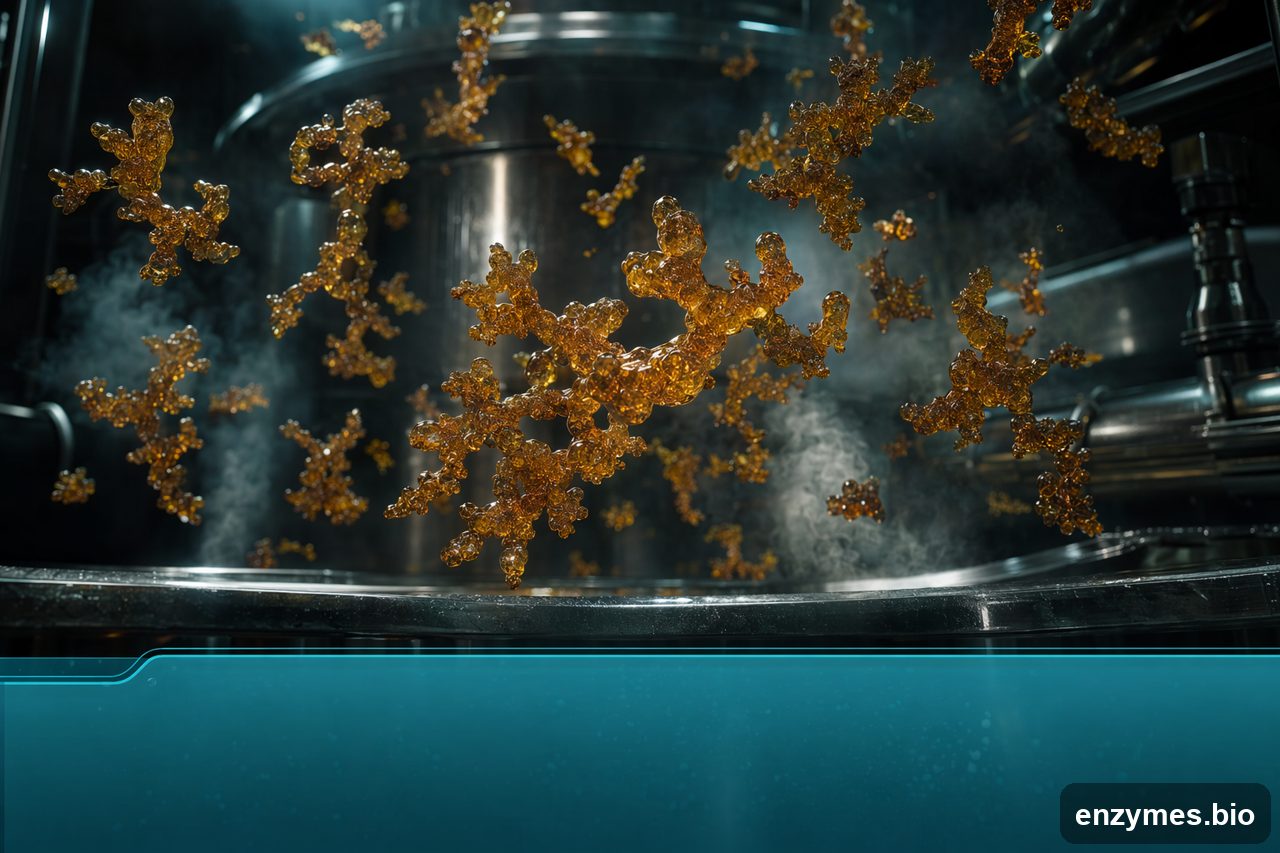
Limit dextrins are the branched starch fragments that remain when alpha-amylase and glucoamylase cannot fully access alpha-1,6 linkages. They hold fermentable carbohydrate out of reach, increase residual extract, and can make liquefaction, saccharification, brewing, and distilling runs less predictable.
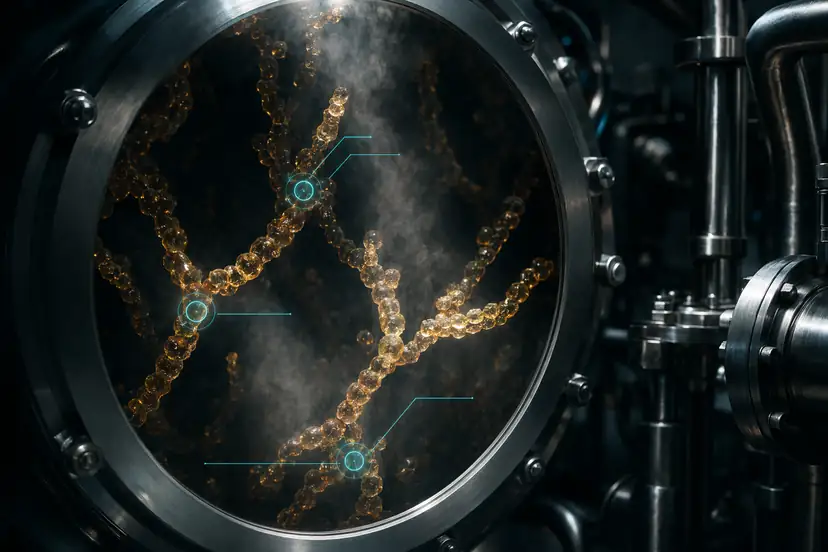
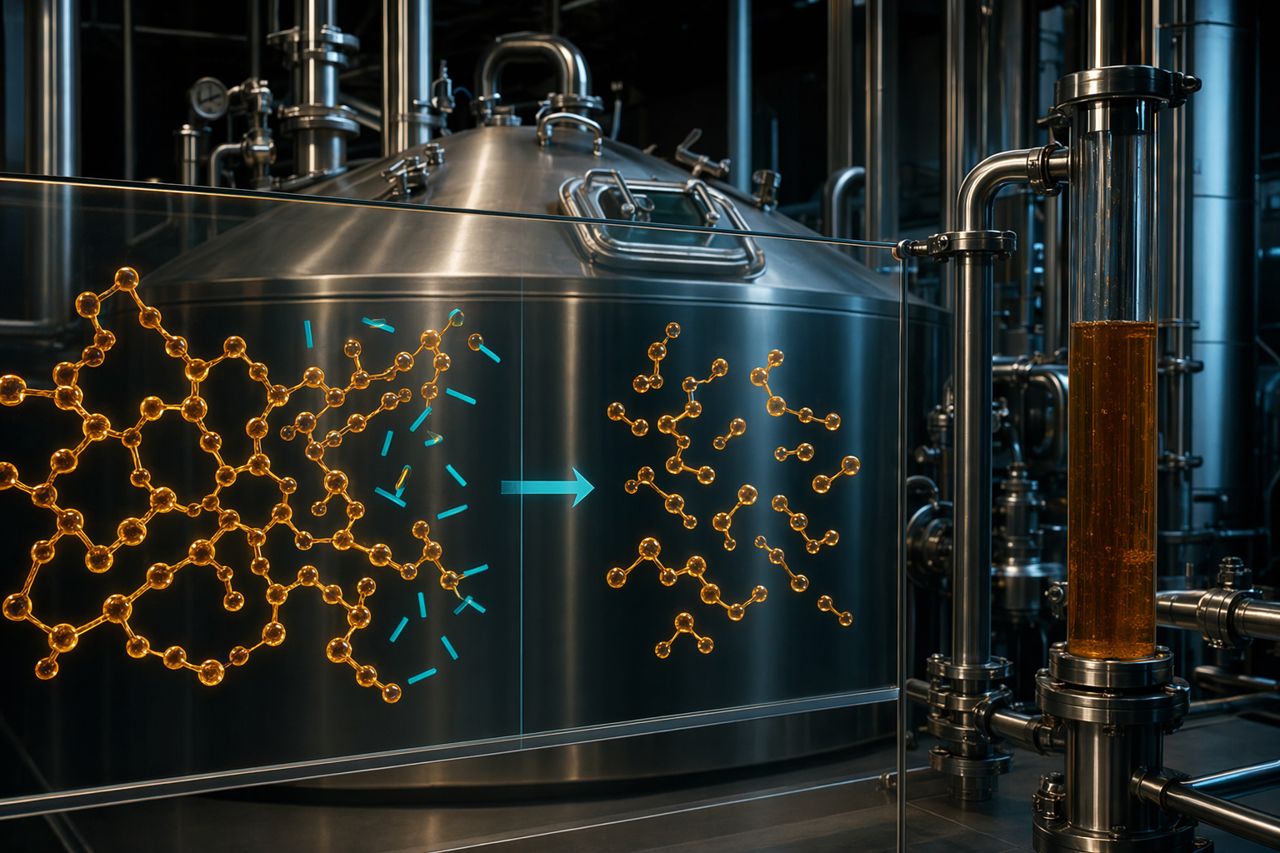
Pullulanase (Pullulan 6-alpha-glucanohydrolase) solves the branch problem directly. It hydrolyzes alpha-1,6 glucosidic bonds in amylopectin, pullulan-like structures, and branched dextrins, converting compact limit dextrins into more linear chains that downstream enzymes can finish.
For starch processors, brewers, distillers, and fermentation teams, the commercial value is straightforward: more complete starch utilization, cleaner carbohydrate profiles, and fewer process losses tied to residual branched dextrin.
Why limit dextrins remain after standard starch conversion
Most starch conversion programs rely on a staged system:
Liquefaction reduces starch viscosity and opens the granule-derived network.
Saccharification converts dextrins into glucose, maltose, maltotriose, or other target sugars.
Fermentation or refining consumes, separates, or concentrates the resulting carbohydrates.
The bottleneck is structure. Amylopectin is highly branched. Alpha-amylase cuts internal alpha-1,4 bonds efficiently, while glucoamylase releases glucose from non-reducing ends. But once these enzymes approach an alpha-1,6 branch point, conversion slows or stops. The remaining branched fragments are limit dextrins.
If branch points are not reduced, processors often see:
Lower fermentability than the starch input suggests
Higher residual dextrin after saccharification
Slower end-of-run conversion
Increased variability between grain or starch lots
Reduced alcohol, glucose, or fermentable extract yield
Heavier downstream separation load
More difficult specification control for syrup composition
Pullulanase addresses the cause, not the symptom.
What pullulanase does in a limit dextrin program
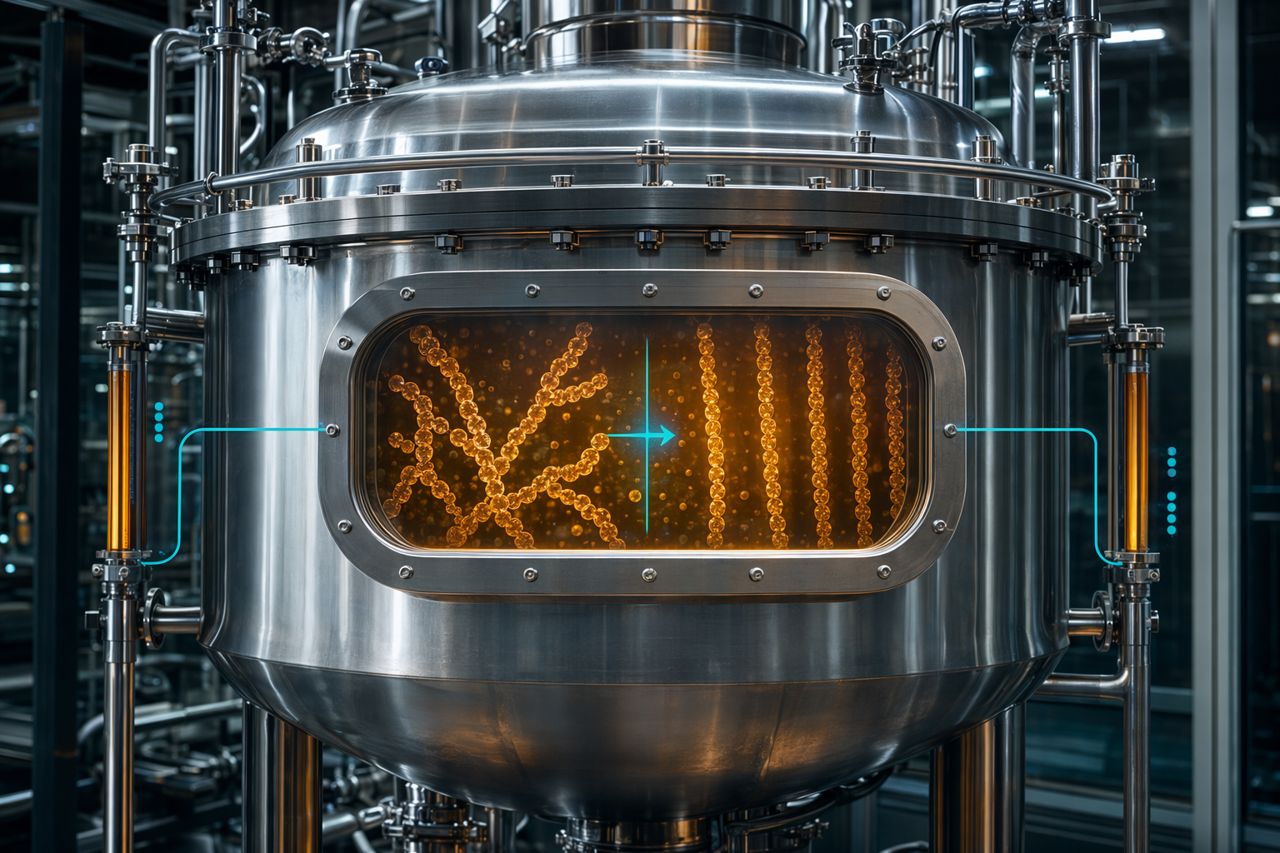
Pullulanase selectively debranches alpha-1,6 linkages. When it cuts these branch points, the substrate becomes more linear and more accessible to other starch enzymes.
In practical terms, pullulanase can help a process move from branched residual carbohydrate toward usable linear dextrin and fermentable sugar.
Core process effects
Debranching: opens amylopectin-derived limit dextrins by cleaving alpha-1,6 bonds
Access improvement: creates linear regions that glucoamylase and beta-amylase can process more completely
End-point tightening: supports more complete conversion near the end of saccharification or mashing
Profile control: improves management of glucose, maltose, maltotriose, and dextrin balance depending on the enzyme system
Yield recovery: converts carbohydrate that would otherwise remain underutilized
Pullulanase is rarely a standalone answer. Its value is highest when it is engineered into a complete starch conversion system with alpha-amylase, glucoamylase, beta-amylase, or maltogenic enzymes, depending on the final product target.
Application areas
Brewing: reduce residual limit dextrins and improve fermentability
In brewing, limit dextrins influence attenuation, residual body, calorie contribution, and filtration behavior. Pullulanase can be used where the goal is higher fermentability, tighter apparent extract control, or a drier beer profile.
Typical use cases include:
High-adjunct brewing where starch accessibility varies by raw material
Low-carbohydrate or highly attenuated beer development
Mashes with incomplete conversion of branched dextrin
Process designs requiring improved consistency in fermentable extract
Pullulanase helps convert branch-heavy dextrins into structures that yeast-accessible sugar programs can complete. The result is not simply “more enzyme activity”; it is better carbohydrate architecture for the rest of the process.
Glucose and maltose syrup: drive a cleaner saccharification profile
In syrup production, residual branched dextrins can reduce conversion efficiency and make final sugar composition harder to control. Pullulanase supports deeper saccharification by increasing the availability of linear dextrin ends.
Processors use pullulanase to support:
Higher glucose potential in dextrose-oriented systems
Improved maltose generation when paired with beta-amylase strategies
Lower residual high-molecular-weight dextrin
More consistent syrup profile from variable starch inputs
Reduced rework risk when conversion does not reach target
The enzyme is especially useful when the economics favor extracting more value from the same starch stream rather than increasing substrate load or extending process time.
Distilling and fuel ethanol: improve starch utilization
For distillers and ethanol producers, limit dextrins represent locked carbohydrate. Pullulanase can increase the amount of substrate available to fermentation by improving the debranching phase before or during saccharification, depending on the process design.
Relevant outcomes include:
Improved fermentable sugar availability
Lower residual dextrin in beer or mash
More consistent fermentation completion
Better use of corn, wheat, cassava, rice, or mixed starch feedstocks
Potential reduction in yield loss caused by incomplete dextrin conversion
The practical benefit is conversion confidence: fewer unconverted branched fragments moving through a high-throughput system.
Process integration: where pullulanase fits
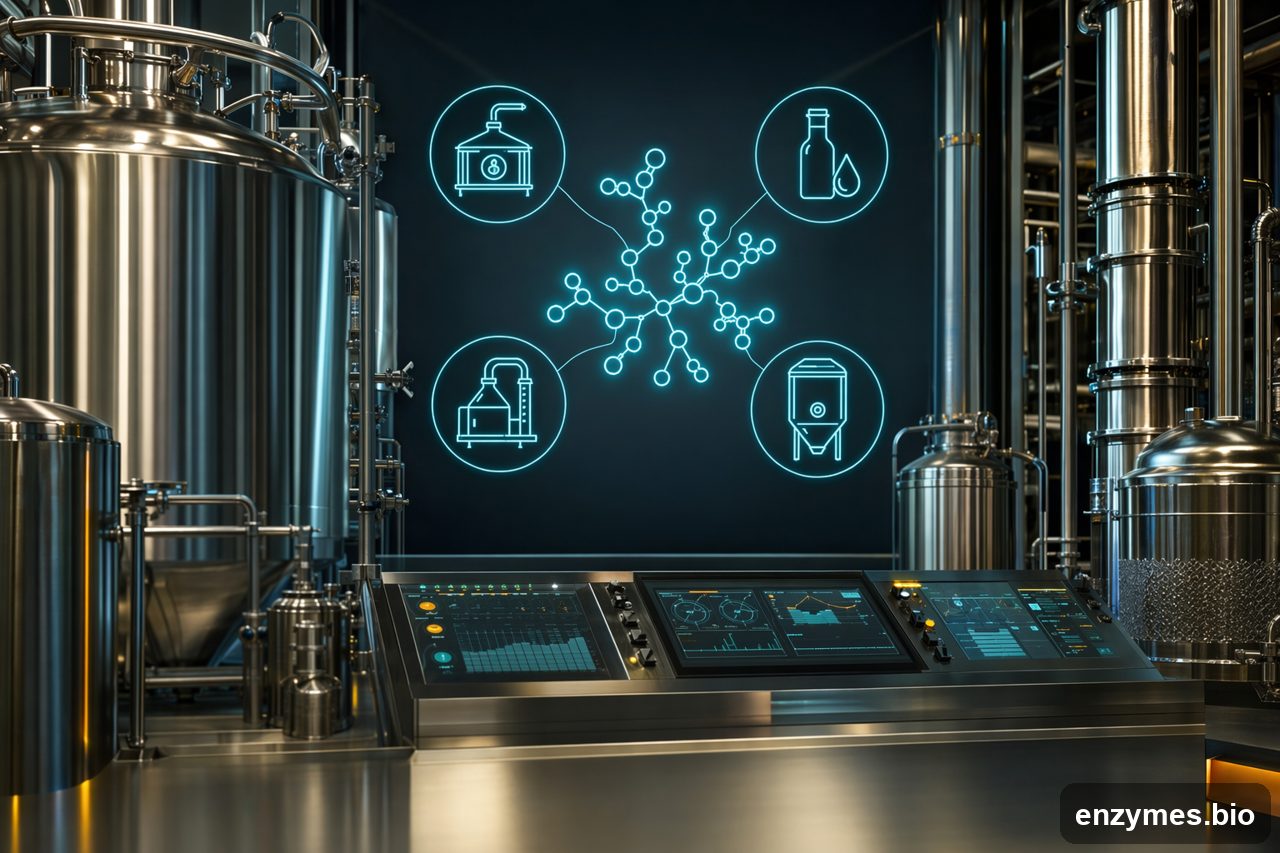
Pullulanase can be integrated into mashing, saccharification, or starch conversion steps where pH, temperature, residence time, and enzyme compatibility support debranching.
Liquefaction quality: excessive or insufficient liquefaction changes debranching access
pH window: pullulanase selection should match the operating environment, not force a disruptive process change
Thermal profile: temperature exposure must protect functional enzyme performance during the intended hold
Companion enzymes: alpha-amylase, glucoamylase, beta-amylase, and maltogenic enzymes determine the final carbohydrate profile
Residence time: debranching must be given enough process opportunity to influence the endpoint
Final specification: fermentability, glucose level, maltose level, viscosity, and residual dextrin are different targets
A good pullulanase program starts with the desired carbohydrate endpoint, then works backward to define the enzyme combination and dosing strategy.
Commercial benefits of reducing limit dextrins
Pullulanase is purchased because it changes process economics. The strongest business cases are tied to conversion efficiency, specification control, and throughput reliability.
Benefits buyers usually evaluate
Higher usable carbohydrate recovery from the same starch input
Lower residual dextrin in saccharified streams
Improved fermentability for brewing, distilling, and ethanol applications
More predictable final sugar profile in glucose and maltose syrup production
Reduced end-of-run conversion drag when branch points become the limiting factor
Potential reduction in process variability across raw material changes
Better compatibility with high-yield starch conversion programs
Pullulanase does not replace good process control. It amplifies it by removing a structural barrier that standard alpha-1,4-focused conversion cannot solve alone.
Selecting pullulanase for industrial use
Not every pullulanase is interchangeable. Selection should be based on process fit, not only price per container.
Technical selection checklist
Ask for a pullulanase option that matches:
Your starch source and liquefaction profile
Your target sugar spectrum or fermentability goal
Your working pH and temperature range
Your required process hold time
Your companion enzyme system
Your regulatory and documentation requirements
Your packaging, lead time, and plant handling needs
Procurement checklist
For purchasing and supply teams, evaluate:
Lot-to-lot consistency
Application support for pilot trials
Documentation availability
Packaging formats aligned with plant handling
Shelf-life and storage expectations
Supply continuity and reorder planning
Technical communication quality during scale-up
The right product is the one that reduces limit dextrins under your actual operating conditions, with documentation and supply discipline that your plant can rely on.
Trial design for limit dextrin reduction
A focused pullulanase trial should compare treated and untreated process streams under the same raw material and conversion conditions. The trial should not only look at enzyme addition; it should track the downstream effect.
Recommended trial observations
Residual dextrin trend after saccharification or mash conversion
Fermentable sugar profile shift
Final attenuation or fermentation completion behavior
Viscosity and filtration observations where relevant
Syrup or wort clarity behavior
End-point consistency across replicate runs
Yield impact compared with the control process
The most useful trial result is a clear before-and-after carbohydrate profile connected to a commercial outcome: more fermentable extract, better syrup specification, improved yield, or reduced residual dextrin.
When pullulanase is the right lever
Pullulanase is a strong fit when the process is already converting alpha-1,4 linkages effectively but still leaves meaningful branched dextrin behind. It is less useful when the real problem is poor gelatinization, weak liquefaction, incorrect pH, raw material contamination, or insufficient process residence time.
Use pullulanase when the diagnosis points to branch-point limitation.
Strong signals include:
Persistent residual dextrin despite adequate liquefaction and saccharification
Fermentation finishing with unutilized carbohydrate still present
Syrup profile limited by branched dextrin carryover
High-adjunct or variable-feedstock processes with inconsistent extract conversion
Economic pressure to recover more value from the same starch input
Request pullulanase pricing or technical fit guidance
Debranch Works supplies pullulanase for industrial limit dextrin reduction programs across brewing, syrup, distilling, ethanol, and starch processing applications. Tell us your substrate, process step, target endpoint, and packaging requirement. We will respond with a practical recommendation and pricing path.
Prefer a direct procurement conversation? Use the same form and write “get pricing” in the process goal field.