Pullulanase for Resistant Starch and Modified Starch
Technical application guidance for using pullulanase in controlled starch debranching workflows for resistant starch, specialty carbohydrate, and modified starch production.
Pullulanase for resistant starch and modified starch
Pullulanase is used when starch structure needs to be engineered, not simply hydrolyzed. By selectively cleaving alpha-1,6 branch linkages in amylopectin and related branched dextrins, Pullulanase (Pullulan 6-alpha-glucanohydrolase) increases linear-chain availability for downstream crystallization, retrogradation, fractionation, texture design, and specialty carbohydrate processing.
For producers of resistant starch, clean-label texture systems, specialty syrups, and modified starch ingredients, controlled debranching can improve starch utilization while giving process teams a more predictable route to chain-length distribution targets.
What pullulanase changes in starch systems
Native starch is not a uniform raw material. Botanical source, gelatinization behavior, amylose-to-amylopectin ratio, prior cooking, shear history, and solids loading all affect final functionality. Pullulanase gives processors a way to act on one critical structural feature: branching.
In modified starch workflows, debranching can be used to:
Increase linear glucan segments available for recrystallization or reassociation
Shift molecular architecture before physical, thermal, or chemical modification steps
Improve access for companion enzymes where sequential starch conversion is required
Support tighter control over viscosity development and final texture
Reduce residual branched material in specialty carbohydrate streams
Improve process consistency across starch lots when upstream variability is present
Why debranching matters for resistant starch
Resistant starch performance depends strongly on molecular organization. Pullulanase can support resistant starch production by generating more linear chains from amylopectin-rich substrates. Under the right process conditions, those chains are more available for alignment, reassociation, and formation of structures with lower digestibility.
Typical commercial objectives include:
Higher resistant fraction after thermal cycling, cooling, or retrogradation steps
Better use of waxy, high-amylopectin, or blended starch substrates
More controlled crystallinity and particle functionality
Improved batch-to-batch repeatability in specialty fiber ingredient production
More efficient conversion of starch solids into targeted functional carbohydrate structures
Pullulanase is not a standalone guarantee of resistant starch yield. It is a structure-control tool. The final result depends on substrate selection, gelatinization completeness, residence time, pH, temperature profile, solids concentration, shear, cooling strategy, drying conditions, and any subsequent physical or chemical treatment.
Modified starch applications
Specialty resistant starch ingredients
Pullulanase can be integrated before retrogradation, crystallization, fractionation, or drying to increase the linear-chain pool used to build resistant structures. It is especially relevant where processors need a repeatable route from amylopectin-rich feedstocks to functional dietary fiber ingredients.
Texture and viscosity modification
Debranching changes how starch molecules associate during heating, cooling, and storage. This can help formulators design starch systems with adjusted gel strength, set behavior, viscosity stability, or mouthfeel in food and industrial applications.
Chain-length distribution management
In specialty carbohydrate manufacturing, pullulanase can be used to reduce branch density and create a more defined substrate for downstream enzymatic or physical processing. This is useful when final performance depends on molecular size profile, crystallization behavior, or filtration characteristics.
Hybrid physical-enzyme modification
Pullulanase is often evaluated alongside cooking, extrusion, annealing, heat-moisture treatment, spray drying, drum drying, and controlled cooling. In these systems, enzyme timing is critical: too early, too late, or too aggressive a debranching step can shift texture and functionality away from the target.
Process design considerations
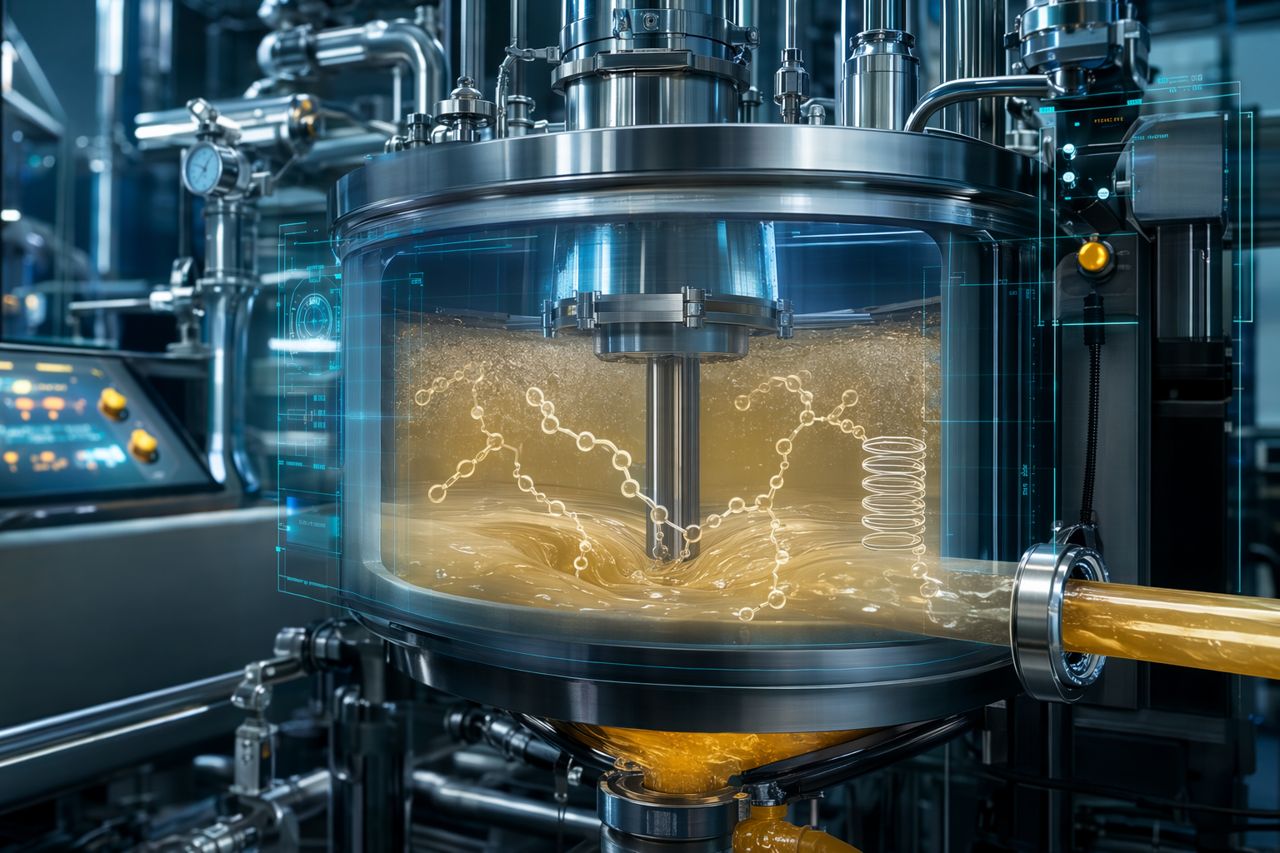
Pullulanase performance is highly dependent on access to branch points. In resistant starch and modified starch production, the enzyme is usually most effective when the starch has been sufficiently hydrated and gelatinized to expose amylopectin branches.
Gelatinization quality: incomplete swelling can limit branch-point access
Solids loading: higher solids improve throughput but increase viscosity and mixing demand
pH and temperature window: process compatibility must be matched to the selected pullulanase grade
Residence time: debranching extent should be matched to the desired functional outcome
Shear profile: mixing must maintain homogeneity without damaging the intended texture pathway
Companion enzymes: alpha-amylase, glucoamylase, beta-amylase, or isoamylase may change final carbohydrate profile
Downstream handling: cooling, concentration, separation, drying, and milling can determine final performance
Where pullulanase delivers commercial value
Procurement teams and plant managers usually evaluate pullulanase on total process economics, not enzyme price alone. In this application, value is created when debranching improves yield, repeatability, functionality, or downstream efficiency.
Commercial performance indicators may include:
Higher conversion of starch solids into target resistant or modified fractions
Lower variability in viscosity, gel set, or final ingredient function
Improved filtration or separation behavior after structure adjustment
Reduced rework caused by off-spec texture or carbohydrate profile
Better substrate flexibility across seasonal or regional starch supply
More predictable scale-up from bench to pilot to production
Product selection and qualification
The right pullulanase grade depends on the substrate, target functionality, and operating window. For resistant starch and modified starch work, evaluation should focus on whether the enzyme can deliver the required debranching profile under the real plant conditions used for cooking, holding, cooling, and finishing.
Recommended qualification steps:
Define the target functionality: resistant fraction, viscosity, gel strength, crystallinity, or chain profile.
Map the current starch process: cooking, pH adjustment, enzyme addition point, residence time, cooling, and drying.
Run a small design of experiments around enzyme dose, hold time, temperature, pH, and solids.
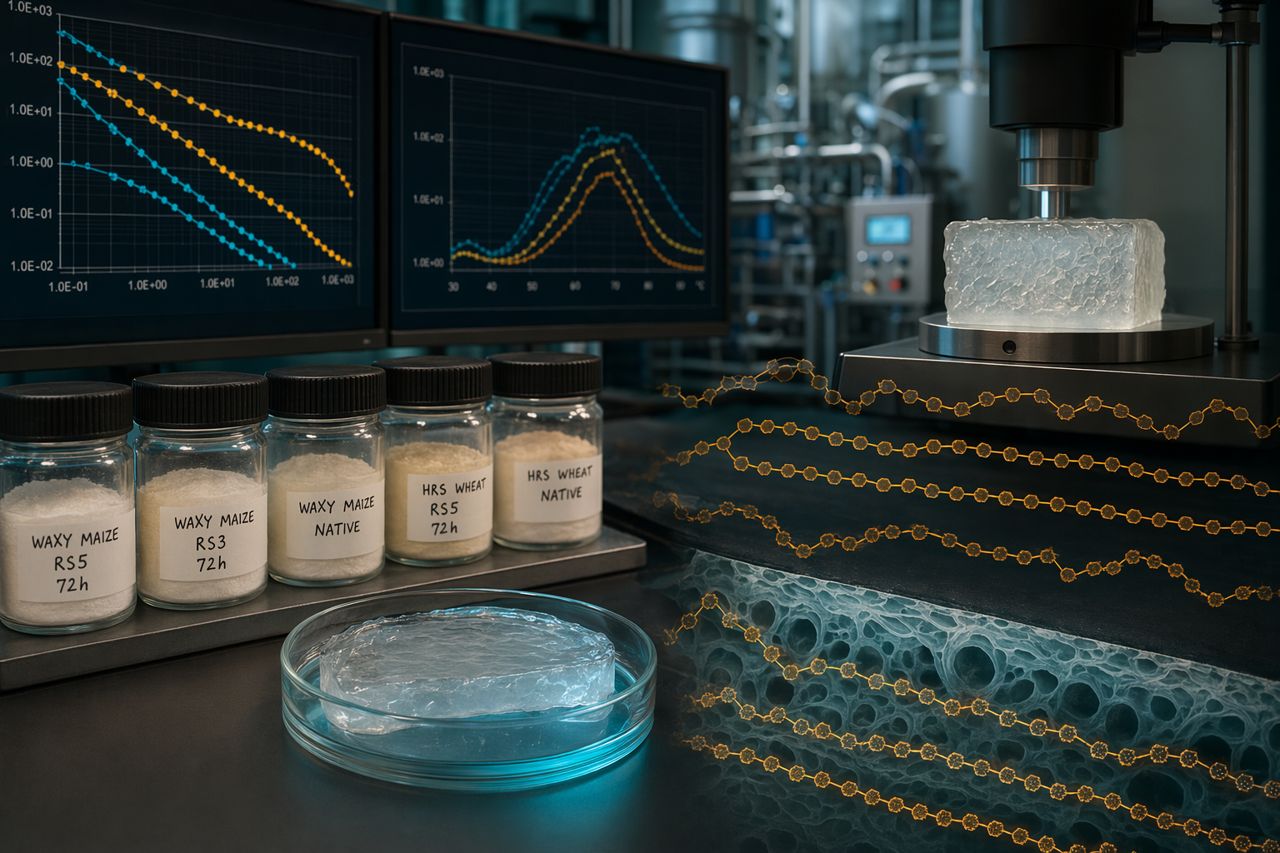
Measure both molecular and functional outputs, not just conversion.
Confirm downstream behavior in filtration, concentration, drying, milling, and storage.
Validate economics using final yield, off-spec reduction, and process time impact.
Technical fit for starch processors and ingredient manufacturers
Pullulanase is a strong fit when your process requires precise branch-point reduction while preserving enough structure for final functionality. It is less appropriate when the goal is broad liquefaction, full saccharification, or simple viscosity knockdown. In those cases, a different enzyme strategy may be more economical.
Use pullulanase when the process question is: how do we reshape starch architecture to produce a more useful modified ingredient?
Request a quote or technical fit review
Share your substrate, process window, target function, and production scale. Debranch Works can help identify the pullulanase format and evaluation path that fits your resistant starch or modified starch workflow.